
Monolena primuliflora
Monolena primuliflora Hook. f.
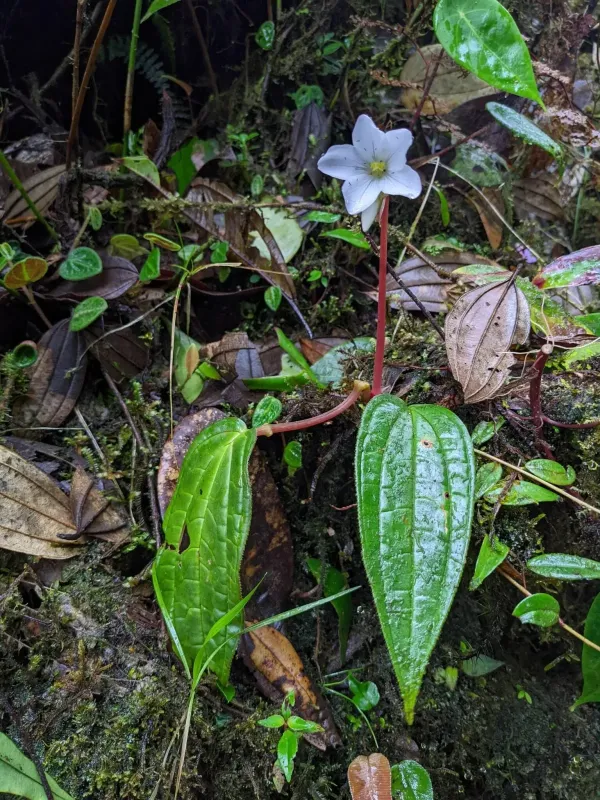
Description
Growing requirements
Monolena primuliflora is a distinct plant species belonging to the Melastomataceae family. Originating from the tropical rainforests of Colombia and Ecuador, this plant is characterized by its lush, veined foliage and primula-like flowers that bloom under specific environmental conditions.
To cultivate this species successfully, one must replicate its natural tropical habitat. It thrives in ambient temperatures ranging from 20 to 25 degrees Celsius, consistently avoiding cold drafts or extreme temperature fluctuations which can cause leaf stress.
High humidity is essential for the healthy growth of this plant. Providing a humidity level above 70 percent is recommended, which can be achieved through misting, the use of humidifiers, or placing the plant on a pebble tray filled with water.
The substrate must be well-draining and nutrient-rich, with a slightly acidic pH level. A mixture containing peat moss, perlite, and pine bark creates the ideal structure for the root system, preventing compaction and ensuring proper oxygen exchange.
Light requirements involve filtered, indirect sunlight. Exposure to direct sunlight can severely damage the thin leaf tissues, leading to discoloration or burn spots, so a north or east-facing location is usually ideal.
Main diseases and pests
Pest infestations such as spider mites and mealybugs are the most common threats to Monolena primuliflora, especially in indoor conditions with poor ventilation. These pests target the underside of the leaves and stems.
Root rot remains the most significant physiological disorder caused by overwatering or poor drainage. Ensuring the substrate dries slightly between waterings is a critical management practice for preventing fungal pathogens.
Integrated pest management involves regular visual inspections of the foliage to detect early signs of insect activity. If necessary, horticultural oils or mild insecticidal soaps should be applied cautiously to protect the plant.
Fungal issues, including leaf spots, may occur if moisture is trapped on the leaves for prolonged periods. Maintaining good air circulation is a key preventive strategy in any indoor or greenhouse cultivation system.
Providing proper nutritional support through diluted, balanced fertilizers during the growing season helps the plant resist various diseases and maintain vigorous growth throughout the year.