
Monocymbium ceresiforme
Monocymbium ceresiforme
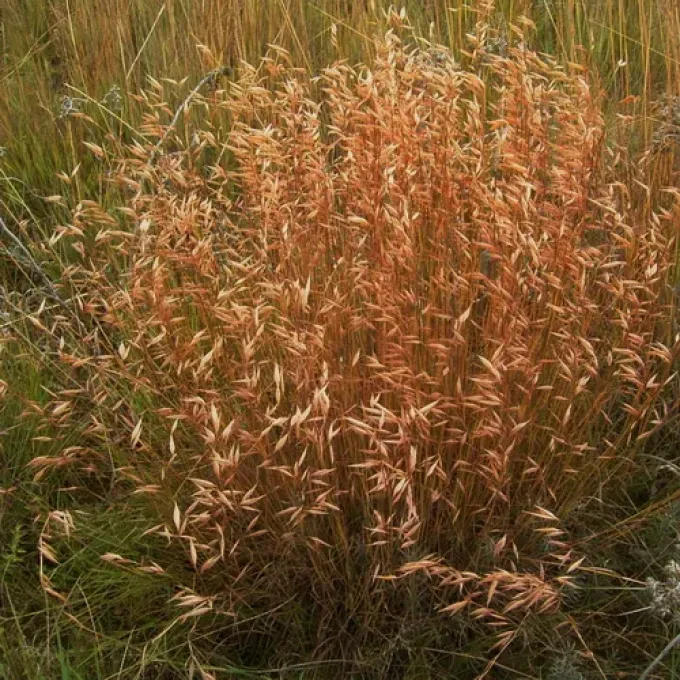
Description
Growing requirements
Monocymbium ceresiforme is a perennial grass belonging to the Poaceae family. It is widely distributed across the tropical and subtropical regions of Africa, typically found in savannas and mountain grasslands.
This species thrives in well-drained soils, often colonizing rocky or sandy substrates where other plants struggle. It is highly adapted to seasonal climates characterized by distinct wet and dry periods.
Botanically, it is recognized by its dense tufted growth habit, with narrow, often hairy leaves that are evolved to reduce transpiration. The culms typically reach heights of up to one meter, providing significant biomass.
The plant requires high solar radiation and is resilient to nutrient-poor soils. Its growth cycle is synchronized with the onset of the rainy season, allowing it to rapidly produce fodder for local livestock.
In terms of agricultural utility, it serves as a reliable forage grass. In many rural African economies, it is valued for its ability to persist under extensive grazing pressure where intensive crops would fail.
Main diseases and pests
The primary threats to Monocymbium ceresiforme include habitat loss due to land conversion and extreme overgrazing, which depletes the plant's carbohydrate reserves stored in its root system.
Insect pests, such as locusts and grasshoppers, are frequent visitors that can significantly reduce leaf area. However, the plant's high fiber content provides a level of natural resistance to widespread herbivory damage.
Pathogens affecting the species usually include fungal leaf spots and rusts that thrive during prolonged humid spells. These infections generally do not cause total crop failure but can diminish biomass quality.
Fire is a critical ecological factor. While it clears accumulated dead plant matter, frequent or poorly timed burning can negatively affect the recovery rate of the grass clumps during the early growing season.
Management practices should focus on maintaining a sustainable grazing interval. Allowing periods of rest is crucial for the plant to undergo vegetative regeneration and maintain long-term site productivity.