
Monochoria vaginalis
Monochoria vaginalis (Burm. f.) C. Presl ex Kunth
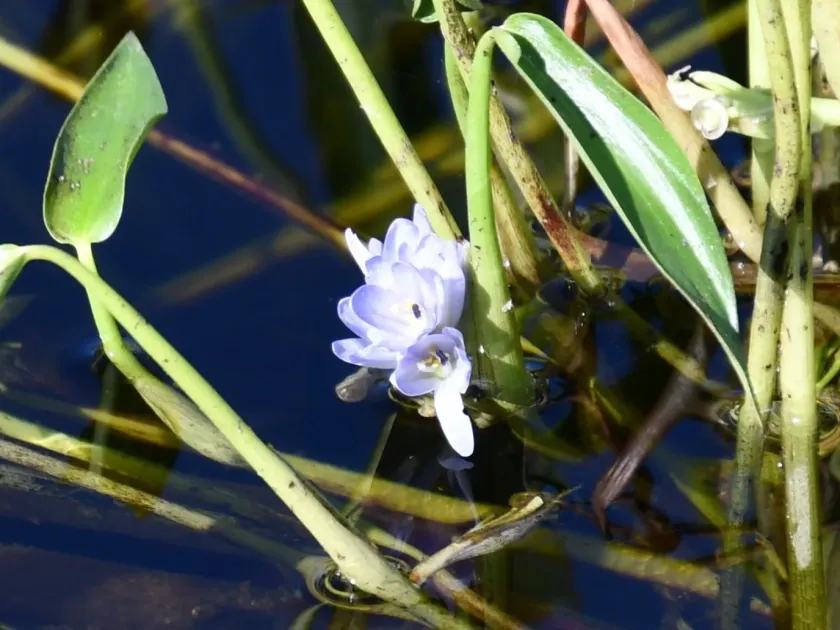
Description
Sowing dates
Reproduction is primarily achieved through seed dispersion. The seeds can remain viable in the soil for several years, waiting for the optimal conditions created by field flooding to germinate and establish new populations.
Germination typically occurs during the early stages of rice field preparation. The plants grow rapidly, completing their life cycle and setting seeds within less than two months, which allows for multiple generations per season in favorable conditions.
Effective management requires pre-sowing soil cultivation to disrupt seed germination cycles. Preventing the buildup of the seed bank in the soil is critical to reducing future infestations.
In cultivation settings, seeding is unnecessary as the plant is often managed as a spontaneous weed. However, in controlled harvesting for vegetable purposes, growers ensure clear water access to promote consistent growth.
Spacing and crop density are key factors; in rice fields, maintaining a high density of the main crop helps to naturally suppress the growth of Monochoria vaginalis by competing for sunlight.
Growing requirements
The primary requirement for this species is a stable water supply. It is an aquatic or semi-aquatic plant that cannot thrive in dry soil, making the management of the water level the most important environmental factor.
Soil preferences lean towards heavy clays or silts that can retain moisture and organic matter. Neutral to slightly acidic pH levels are preferred, mirroring the typical conditions found in flooded paddy systems.
Light availability is essential for vigorous growth. The plant maximizes its photosynthetic output in full sun, though it possesses moderate shade tolerance that allows it to persist under the canopy of taller crop plants.
Temperature range should ideally remain between 20°C and 30°C. Cold weather inhibits metabolic activity and germination, as the plant lacks frost resistance and is sensitive to sudden drops in temperature.
Nutrient availability, specifically high nitrogen levels in the water or substrate, significantly accelerates biomass production and leads to more aggressive colonization of the available space.
Main diseases and pests
Pest pressure mainly comes from leaf-eating insects, particularly beetles and caterpillars that specialize in aquatic flora. Intense defoliation can weaken the plant's ability to produce seeds or edible biomass.
Diseases are frequently associated with fungal pathogens that thrive in high-humidity, stagnant water environments. Leaf spot diseases are common when air circulation is poor or plant density becomes too high.
Weed management involves the use of selective herbicides and mechanical removal. Because of the risk of herbicide resistance, integrated weed management (IWM) programs are increasingly recommended in commercial rice farming.
Environmental hygiene plays a significant role in limiting disease spread. Removing affected plant debris and maintaining optimal water quality are standard practices to prevent fungal outbreaks.
Biological control, using specific insects or fungal agents, is currently being studied as a way to reduce reliance on chemicals in rice paddy ecosystems, offering a sustainable path for managing this species.