
Monochoria hastata
Monochoria hastata (L.) Solms
Description
Growing requirements
Monochoria hastata is an aquatic perennial plant belonging to the Pontederiaceae family. It is native to tropical and subtropical regions of Asia, where it thrives in wetlands, swamps, and rice fields.
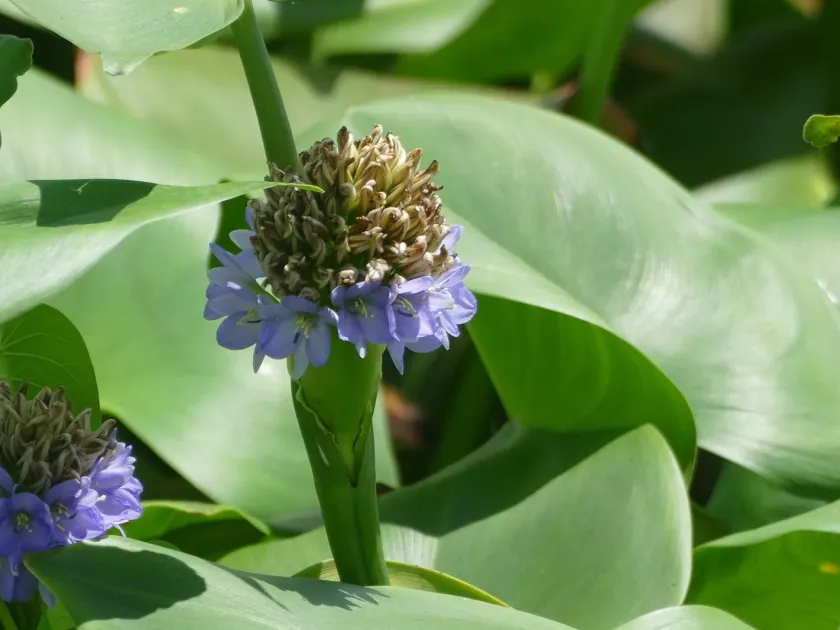
The plant is characterized by its distinct sagittate or hastate leaves and attractive blue flowers. It is an obligate wetland species that requires constant water saturation to maintain its biological processes.
Soil requirements involve heavy, silty, or clay-based substrates rich in organic matter. The plant prefers slightly acidic to neutral water conditions and requires a warm climate with consistent tropical temperatures.
For successful cultivation, sunlight is a critical factor. While the plant can tolerate partial shade, maximum yield is achieved in full sun exposure, which is necessary for vigorous vegetative growth.
Cultivation practices involve maintaining a stable water depth, usually between 10 and 50 centimeters. In many traditional agricultural systems, it is managed as a companion crop or a semi-wild vegetable source.
Yield
The primary economic use of Monochoria hastata is as a food source. Both the young leaves and tender leaf stalks are harvested and consumed either raw or cooked, often appearing in traditional salads and soups.
In addition to food, the plant has medicinal applications. Extracts from the rhizomes and roots are utilized in traditional medicine to support digestive health and treat various localized inflammatory conditions.
The plant serves as a significant source of green fodder for livestock in wetland-based farming systems. Its ability to regrow rapidly after harvest makes it a highly sustainable crop for smallholder farmers.
Harvesting is typically done by hand, pulling the stalks or cutting the leaf base. This method allows for multiple harvests from the same plant stand over a single season, maximizing the total productivity per hectare.
Due to its high nutrient uptake, the plant is also explored for use in phytoremediation, helping to improve water quality by removing excess phosphorus and nitrogen from agricultural runoff.
Main diseases and pests
The most common threats to Monochoria hastata include insect herbivory. Larvae of various moths can cause significant defoliation, leading to reduced yield and poor plant health.
Fungal infections, often manifested as leaf spots, pose a risk during periods of high humidity and stagnant water. Proper water circulation and avoiding overcrowding help mitigate these pathological risks.
Competition from invasive aquatic weeds can negatively impact development. Keeping the planting area clean is essential, especially during the establishment phase of the crop.
Chemical sensitivity is high; the application of herbicides designed for other crops can destroy a Monochoria stand. Therefore, integrated pest management is strictly required for its cultivation.
Environmental fluctuations, such as sudden drainage of water bodies, are lethal to the crop. Sustained moisture is the primary requirement for the plant’s survival and overall development.