
Monanthotaxis obovata
Monanthotaxis obovata
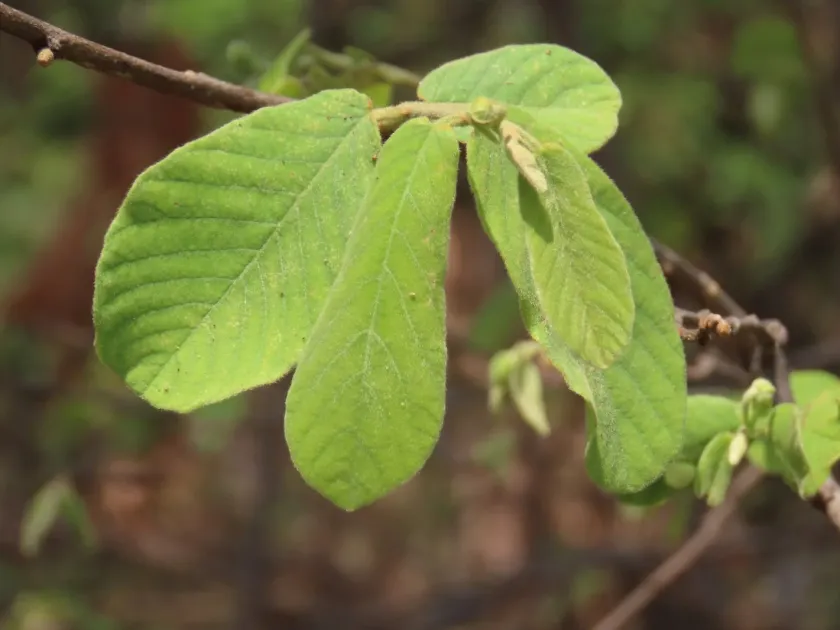
Description
Growing requirements
Monanthotaxis obovata is a woody liana or shrub belonging to the Annonaceae family. Native to the tropical regions of Africa, this plant is well-adapted to the humid conditions of evergreen forests, where it thrives in the understory.
Successful cultivation requires well-drained, fertile soils rich in organic matter. While the plant can adapt to different soil types, it performs best in loamy substrates that maintain moisture without becoming waterlogged.
Temperature management is critical for this species; it requires a tropical climate with a stable temperature range between 22 and 28 degrees Celsius. Protection from direct, harsh sunlight is often necessary to prevent leaf scorch and ensure healthy growth.
Agricultural practices involve regular mulching and the addition of organic compost to maintain soil fertility. Adequate irrigation is essential during dry seasons to ensure the plant continues its vegetative cycle without stress.
Economically, the species is valued for its pharmacological potential and the use of its fruits in traditional food systems. Its role in agroforestry systems contributes to biodiversity conservation and provides supplementary income for local farmers.
Main diseases and pests
Fungal infections, particularly those caused by high humidity, are the primary pathogens for this crop. Diseases such as powdery mildew can severely impact the foliage, necessitating prompt identification and biological control.
Pests like mealybugs and scale insects represent a significant threat to young shoots and stems. These insects feed on plant sap, weakening the structure and making the plant more susceptible to further opportunistic infections.
Root rot is a persistent problem in poorly drained environments. Ensuring proper soil aeration and avoiding excess moisture buildup around the base of the plant is vital to prevent soil-borne pathogens from decimating the root system.
Integrated pest management (IPM) strategies, including the use of beneficial predators and organic sprays, are recommended for large-scale production to minimize environmental impact while maintaining high crop quality.
Strict hygiene in the nursery and plantation area, such as the removal of debris and infected pruning waste, remains the most effective method for long-term health management of Monanthotaxis obovata crops.