
Monanthotaxis buchananii
Monanthotaxis buchananii
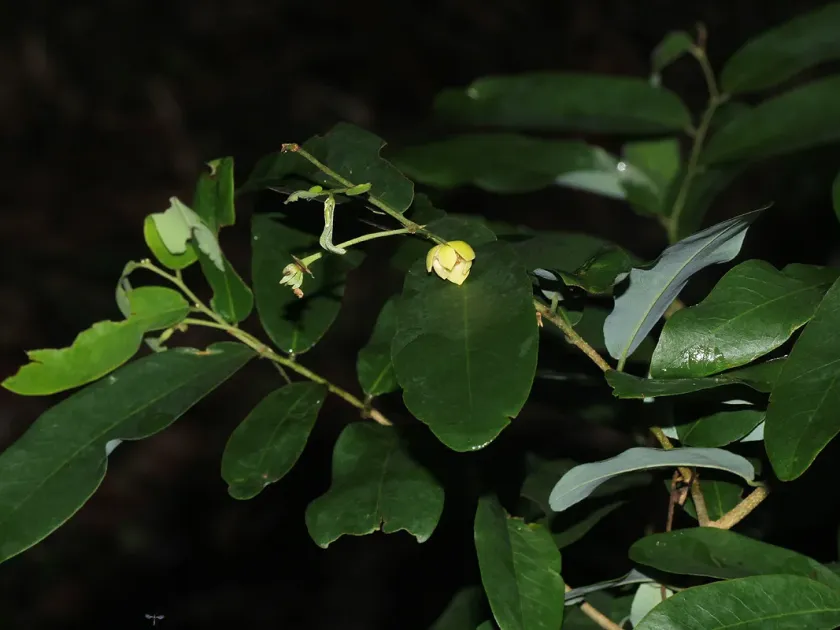
Description
Growing requirements
Monanthotaxis buchananii is a climbing shrub or liana belonging to the Annonaceae family. It is native to the tropical forests of East and Central Africa, where it thrives in humid and shaded environments.
This species requires a warm, frost-free climate to develop properly. It is highly sensitive to cold, making it unsuitable for cultivation in temperate zones without strict greenhouse climate control.
The soil for this crop should be rich in organic matter, slightly acidic, and well-drained. A porous soil structure is essential to support the extensive root system and prevent waterlogging, which the plant does not tolerate.
Regarding light, it prefers partial shade, mimicking its natural habitat under the forest canopy. Excessive direct sunlight can damage the leaves, especially in juvenile plants, leading to severe physiological stress.
Cultural requirements also include adequate structural support. As a woody climber, the plant needs a sturdy trellis or companion trees to grow effectively and reach its full vegetative potential.
Yield
The primary economic use of Monanthotaxis buchananii lies in its pharmacological potential. It is studied for its diverse chemical composition, specifically the presence of various alkaloids used in medical research.
In traditional practices, specific plant parts are used for their biological activity. Modern agro-industrial interest focuses on harvesting biomass for the extraction of specific bioactive compounds.
Harvesting efficiency depends on the growth cycle management. By applying correct fertilization schedules, growers can increase the yield of leaves and bark, which are the main sources of phytochemicals.
Yield management also involves careful pruning to promote the development of new, active growth. This sustainable harvest approach ensures the longevity of the plant while maintaining constant output.
Ongoing research aims to standardize cultivation parameters to maximize the concentration of active ingredients, making this plant an interesting subject for niche pharmaceutical production.
Main diseases and pests
Root rot is the most significant threat to the health of Monanthotaxis buchananii. It is typically caused by poorly drained soil or excessive moisture levels, leading to rapid decay of the root system.
Common pests include mites and scale insects that feed on plant sap. These pests can cause chlorosis and stunted growth if left unmanaged, particularly in indoor cultivation environments.
Effective management strategies include maintaining proper air circulation and monitoring moisture levels consistently. Preventive biological controls are preferred over heavy chemical treatments to protect the integrity of the plant.
Nutrient deficiency, specifically of essential minerals, can predispose the plant to secondary fungal infections. A balanced fertilization program helps maintain a robust immune system in the plant.
Sanitary pruning and the removal of infected plant parts are critical steps in managing the spread of diseases within a plantation, ensuring the stability of the crop.