
Monanthotaxis fornicata
Monanthotaxis fornicata
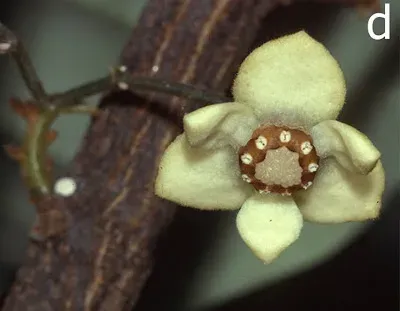
Description
Growing requirements
Monanthotaxis fornicata belongs to the Annonaceae family and is recognized as a tropical climbing shrub or liana. It is native to the African continent, primarily flourishing in humid forest environments where biodiversity supports its complex ecological niche.
The plant thrives in tropical climates characterized by high humidity and consistent temperatures. It requires protection from direct, harsh sunlight, preferring dappled light typical of the understory habitat. Temperatures should ideally remain well above freezing throughout the year.
For cultivation, well-draining, nutrient-dense soil is essential. It performs best in substrates that mimic forest floor conditions, rich in organic matter and slightly acidic. Proper drainage is crucial to prevent root rot, which is the most common physiological disorder for this species.
Agrotechnical management involves the use of trellises or supports to facilitate the climbing nature of the plant. Regular irrigation is necessary to maintain soil moisture, while organic fertilizers are recommended to sustain vigorous vegetative growth and fruit development.
The economic value of this species is primarily linked to its ethnobotanical applications. It serves as a valuable resource in traditional medicine systems, with various plant parts containing bioactive compounds that are subject to modern phytochemical investigation.
Main diseases and pests
Common threats include fungal pathogens affecting the root system if water drainage is inadequate. Additionally, the plant may face pressure from sap-sucking insects like scale insects, which require periodic monitoring and manual removal or organic pest control treatments.