
Monanthes anagensis
Monanthes anagensis
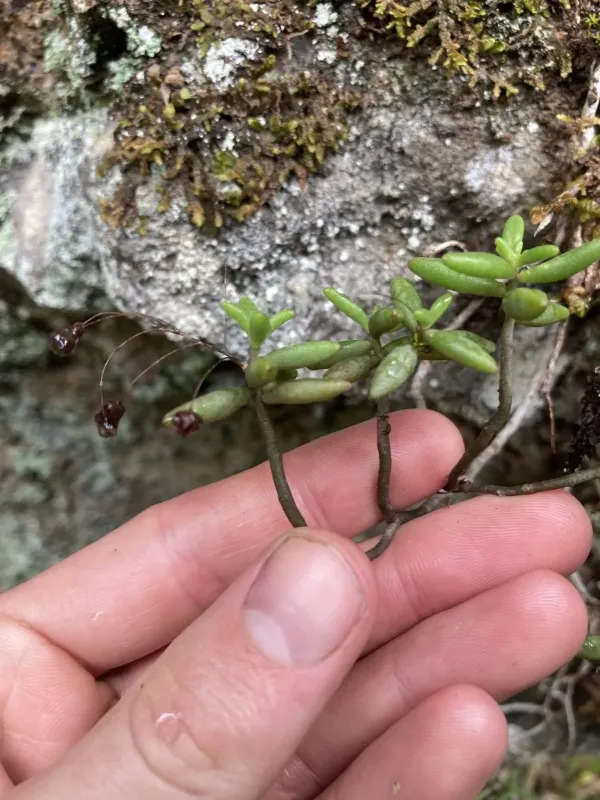
Description
Sowing dates
Propagation of Monanthes anagensis is primarily achieved vegetatively by separating the small offsets that grow around the base of the mother plant. This should be done during the active growth period, typically in spring.
Seed propagation is possible but more complex, requiring shallow sowing on a well-draining, sandy substrate. Seeds should not be buried but lightly pressed into the surface and kept moist under clear cover.
Maintaining a temperature range of +20…+22 °C is crucial for successful seed germination. Seedlings should be kept in a bright, sheltered spot until they develop enough leaves for transplanting.
When separating offsets, it is important to allow the cut surfaces to dry for 12–24 hours in a shady, airy place before planting them into the substrate to prevent rot.
Using shallow, wide containers helps manage moisture levels effectively and allows the plant's creeping stems to spread naturally as they would in their native rocky habitats.
Growing requirements
Monanthes anagensis is a small succulent plant belonging to the Crassulaceae family, native to the Anaga region in the Canary Islands. It naturally grows on rocky outcrops and cliffs.
These plants require bright, indirect light to thrive. While they can tolerate some direct morning sun, harsh afternoon exposure should be avoided to prevent scorched leaves.
A highly porous soil mix is essential. A combination of grit, coarse sand, and a small amount of peat or potting soil ensures the quick drainage needed to prevent root saturation.
During the growing season, a temperature range of +20…+25 °C is ideal. Winter dormancy is important, during which the plants should be kept at +10…+12 °C with minimal water.
Good air circulation is vital for the health of this species. Stagnant air increases the risk of fungal infections within the dense clusters of tiny rosettes.
Main diseases and pests
The most significant threat to Monanthes anagensis is root and crown rot, primarily caused by overwatering or poor drainage. Affected plants show softening and discoloration at the base.
Mealybugs are common pests that tend to hide within the tight spaces of the leaf rosettes. They can be effectively managed with targeted insecticide treatments or mechanical removal.
Spider mites may infest the plants if the environment becomes too dry for extended periods. Regular inspection of the undersides of leaves and keeping humidity in check helps prevent outbreaks.
Preventative care involves ensuring the plant is never left sitting in water. If rot is detected, it is best to remove healthy cuttings and propagate them in fresh soil to save the plant.
Cleaning leaves and removing dead foliage from the base of the plant helps prevent the accumulation of moisture and reduces the likelihood of attracting pests or disease.