
Mnesithea laevis
Mnesithea laevis
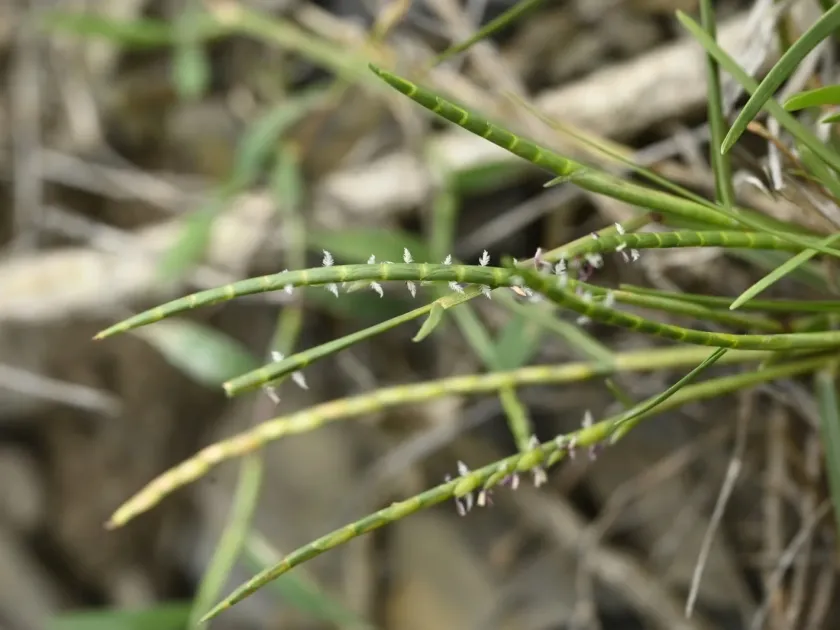
Description
Sowing dates
Mnesithea laevis is a perennial herb belonging to the Poaceae family. Under natural conditions, the seeds of this plant ripen unevenly, which poses a challenge for large-scale agricultural harvesting of planting material.
The ideal time for sowing is when stable warm weather arrives in the spring. Soil temperatures should be at least 15–18 degrees Celsius to ensure uniform and rapid germination of the seeds.
Due to the high level of seed dormancy, pre-sowing treatments such as scarification or cold stratification are often recommended. Seeds should be planted at a depth of no more than 1–2 centimeters in prepared soil.
Widely spaced row planting is recommended to ensure each individual plant has sufficient space for its root system to develop. A row spacing of 45–60 centimeters is usually optimal to prevent competition.
During the first year of life, the plant grows slowly, necessitating strict weed control. The crop typically reaches its maximum biomass production and peak performance from the second year onwards.
Growing requirements
This plant thrives in well-drained, fertile loamy or sandy soils with a neutral to slightly acidic pH. It performs poorly in waterlogged conditions, so areas with high water tables should be avoided.
Mnesithea laevis is a light-demanding crop and performs best in sunny locations. Excessive shade can lead to stunted growth, stem lodging, and a significant decrease in the nutritional quality of the forage.
While the plant shows moderate drought tolerance, it requires regular moisture during critical growth phases to maximize yield. Prolonged dry spells can significantly hamper the overall biomass development.
Temperature requirements are similar to those of subtropical plants, as it lacks significant frost resistance. In temperate zones, it is often treated as a seasonal crop or requires protection from cold temperatures.
To support vigorous growth, the crop requires nitrogen and phosphorus fertilization. Applying fertilizer after each mowing cycle helps stimulate rapid regrowth and maintains high productivity levels throughout the season.
Yield
The yield of Mnesithea laevis is directly influenced by soil fertility and irrigation practices. With proper management, it is possible to harvest multiple cuts of high-quality green matter per growing season.
The plant is known for its good regrowth ability, which allows it to recover quickly after being harvested. This makes it a highly valuable component in commercial forage production systems.
The nutritional value of the feed depends heavily on the harvest timing. Harvesting at the early heading stage ensures the highest protein content and digestibility, before the stems become too lignified.
In regions with long growing seasons, total annual production can be quite substantial. Periodic cultivation between rows helps improve aeration and significantly increases the crop's efficiency.
The crop's tolerance to grazing makes it suitable for integrated pasture management. Proper rotational grazing practices are essential to prevent overgrazing and allow the plants to recover effectively.
Main diseases and pests
Cereal rust is one of the most common diseases affecting this crop, particularly in humid environments. Preventive fungicide treatments are recommended to manage outbreaks and maintain plant health.
Pests such as cereal flies and aphids can cause significant damage to young seedlings and reduce photosynthesis. Regular field monitoring is necessary to detect infestations before they become widespread.
Root rot can be a serious issue if drainage is poor or if the soil remains constantly waterlogged. Practicing crop rotation and selecting high-quality seeds are vital strategies for disease prevention.
Nematodes may damage the root system in heavy, poorly aerated soils. Improving soil structure by incorporating organic matter and ensuring proper drainage can help mitigate the risk of nematode damage.
Weeds are major competitors during the establishment phase, as they can quickly overwhelm young plants. Effective weed management, including manual weeding or mulching, is critical for crop success.
Harvesting
The harvesting of green fodder should be carried out at the mass heading stage. This is when the plant is richest in nutrients, providing the highest quality feed for livestock consumption.
Using mower-conditioners is recommended to accelerate the drying process. This ensures that moisture is removed quickly, preserving the color and nutritional integrity of the hay before it is baled.
Seed harvesting requires careful timing, as seeds tend to shatter easily when fully ripe. Harvesting at the wax maturity stage followed by indoor drying is the preferred method to maximize yield.
After harvesting, it is important to maintain a stubble height of at least 5–7 centimeters. This protects the growing points of the plant, which is essential for ensuring quick and robust regrowth.
Proper storage is essential to prevent mold growth. Hay should be stored in dry conditions with moisture levels kept below 17 percent to ensure long-term stability and prevent spontaneous heating.