
Mitriostigma axillare
Mitriostigma axillare
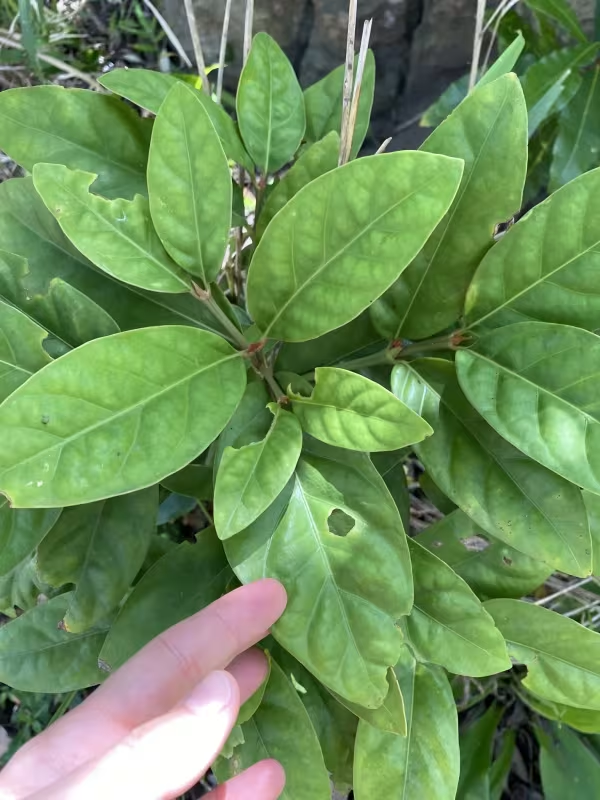
Description
Growing requirements
Mitriostigma axillare, belonging to the Rubiaceae family, is an evergreen shrub native to the forested areas of South Africa. Known for its intense fragrance and elegant white flowers, it is highly sought after by botanical collectors and interior landscapers.
The plant thrives in environments that mimic its natural understory habitat, requiring bright, filtered light. Protecting it from harsh, direct sunlight is essential, as the leaves can easily scorch, leading to significant stress and aesthetic damage.
Soil composition must be slightly acidic and porous to prevent root asphyxiation. A balanced mix of peat, bark, and perlite provides the necessary structure to support healthy root development while allowing for optimal moisture retention and drainage.
Climate control is crucial, with ideal temperatures ranging between 20°C and 25°C. The species is not frost-tolerant and requires protection from cold drafts, which are often the primary cause of sudden leaf drop in indoor cultivated specimens.
Maintaining atmospheric humidity is a key aspect of its agrotechnics. Regular misting or the use of ultrasonic humidifiers helps keep the surrounding air moisture above 60 percent, which is critical for healthy bud formation and vibrant foliage growth.
Main diseases and pests
Spider mites are the most common pests affecting Mitriostigma, especially in dry, warm indoor conditions. These pests congregate on the underside of leaves, causing yellow stippling and eventual leaf loss if not addressed with consistent humidity and acaricides.
Scale insects present a significant challenge due to their protective coverings that make them resistant to simple contact sprays. Careful physical removal followed by the application of horticultural oils is often the most effective method for control.
Fungal pathogens such as Botrytis may appear on flowers or foliage during periods of stagnant air and high humidity. Improving ventilation and spacing out the plants can effectively inhibit the spread of such fungal infections in a collection.
Root rot caused by Phytophthora is a serious threat associated with overwatering or poor drainage. Once established, this pathogen is difficult to treat, making preventative watering practices and the use of well-draining potting media the primary defenses.
Nutritional deficiencies often manifest as chlorosis or stunted growth. Using a balanced, slow-release fertilizer during the growing season helps sustain the plant, but caution must be exercised to avoid salt buildup, which can burn sensitive root tips.