
Mitrephora tomentosa
Mitrephora tomentosa
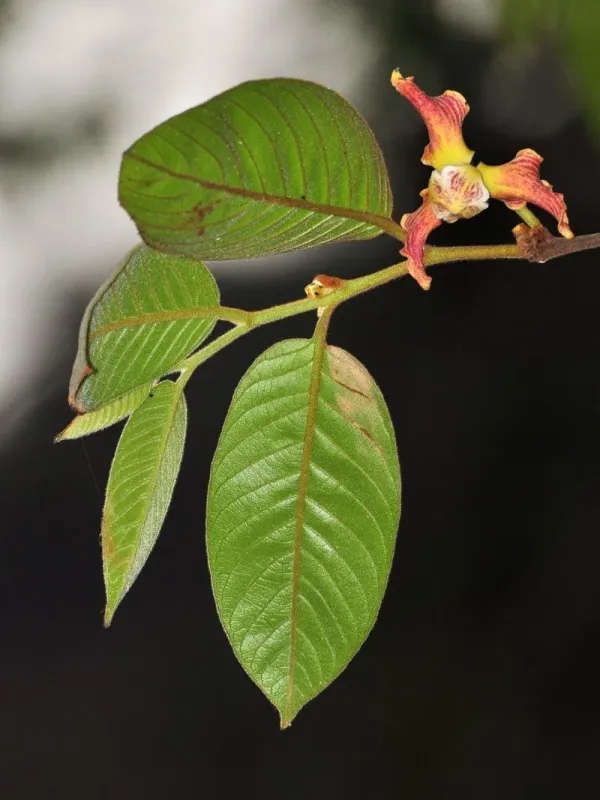
Description
Growing requirements
Mitrephora tomentosa is a notable species within the Annonaceae family. Native to the tropical forests of Southeast Asia, this tree is adapted to high-humidity environments and consistent thermal conditions.
The cultivation of this plant requires a stable tropical climate. It thrives in temperatures ranging between 20°C and 30°C, and it is highly susceptible to chilling injury if exposed to lower temperatures.
The soil profile must be deep, well-draining, and nutrient-dense. Ideally, the planting medium should be composed of organic-rich loam that mimics the natural forest floor of its habitat.
Water management is critical. The plant requires uniform moisture levels throughout the growing season but cannot tolerate waterlogged conditions, which lead to root rot in many tropical species.
Light exposure should be managed carefully. While young saplings may require partial shade, mature trees perform best under bright, indirect light, which ensures the development of healthy, dense foliage.
Harvesting
The primary economic value of Mitrephora tomentosa lies in its aromatic floral properties. The flowers are harvested for essential oil extraction, which is utilized in the high-end fragrance industry.
Harvesting is performed manually to preserve the integrity of the delicate petals. Teams focus on picking the flowers during the early hours of the day when volatile oils are most concentrated.
Fruits, while less common in global trade, are collected based on maturity indicators such as color change and texture. Proper harvesting tools are used to avoid damage to the tree bark.
Post-harvest logistics involve immediate cooling to prevent fermentation. Tropical conditions necessitate rapid processing to maintain the quality of the harvested botanical material.
Sustainable harvesting practices are essential for preserving the wild populations of the tree. Many cultivators now implement agroforestry systems to ensure long-term productivity and ecosystem stability.