
Mitrephora maingayi
Mitrephora maingayi
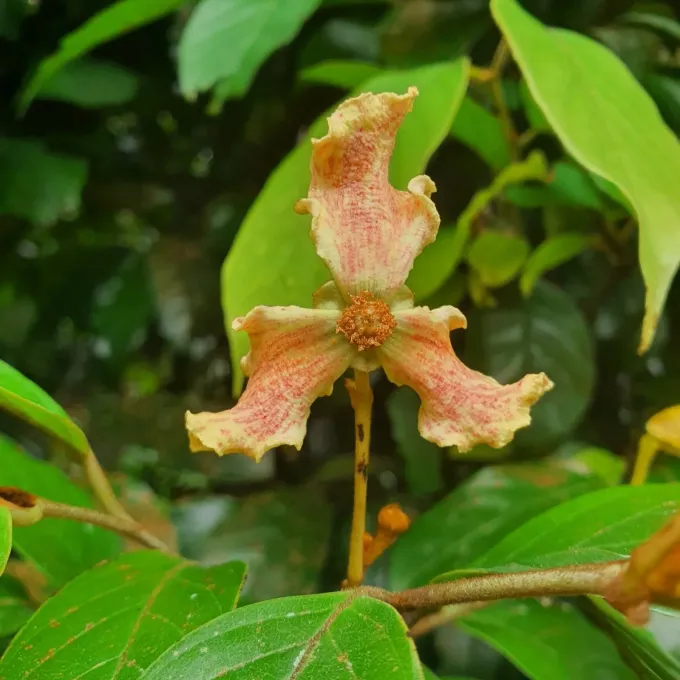
Description
Growing requirements
Mitrephora maingayi is a tropical tree species belonging to the Annonaceae family, native to the dense rainforests of Southeast Asia. This species is valued for its unique morphology and is a subject of interest in tropical botany.
The plant thrives in a tropical environment characterized by consistent warmth and high relative humidity throughout the year. It does not possess a natural dormancy phase, making it highly dependent on stable climate conditions.
Cultivation requirements include nutrient-rich, well-draining soils with a slightly acidic to neutral pH level. Proper soil aeration is essential to prevent root asphyxiation, which can occur rapidly in waterlogged conditions.
In terms of light, Mitrephora maingayi is adapted to the understory conditions of tropical forests. It prefers filtered or dappled sunlight, as direct exposure to high-intensity light can stress the plant and damage its foliage.
General maintenance involves consistent irrigation and the application of balanced organic fertilizers. Due to its slow growth rate, the plant requires patience and steady management of its immediate environment to reach maturity.
Main diseases and pests
Fungal infections remain the primary threat to this species, especially in environments where humidity levels are poorly managed. Root rot is a common issue caused by saturated soil and inadequate air movement.
Common tropical pests such as mealybugs, scale insects, and spider mites frequently affect the leaves and tender stems of the plant. These pests can cause significant damage to the canopy if left unchecked.
Effective management strategies include the implementation of integrated pest management (IPM) practices. This involves physical removal of pests followed by the targeted use of organic insecticides if the infestation persists.
Maintaining proper ventilation within the growing area is crucial to prevent the onset of mildew and other moisture-related diseases. Regular inspections of the undersides of leaves are recommended to catch infestations early.
When dealing with health issues, it is important to avoid over-fertilization, as this can weaken the plant's natural defenses against pathogens. Ensuring the plant's overall vigor is the best primary defense against biological threats.