
Mitchella undulata
Mitchella undulata
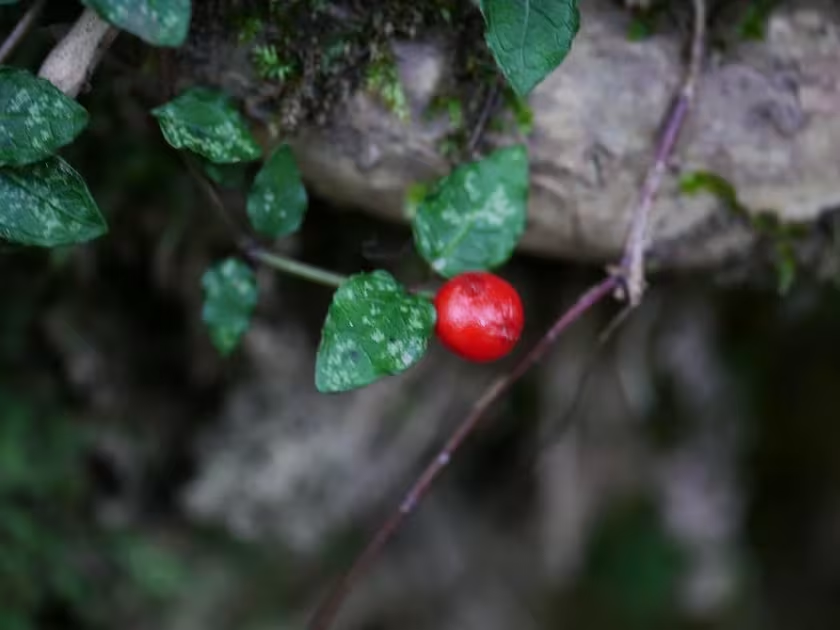
Description
Growing requirements
Mitchella undulata is a perennial evergreen creeping plant belonging to the Rubiaceae family. Naturally inhabiting shaded woodland environments, it is highly adapted to low-light conditions and organic-rich soil structures.
For successful cultivation, it is essential to provide a shaded site that prevents the plant from direct sunlight exposure. Consistent moisture levels are vital for healthy growth, as the plant does not tolerate prolonged drought.
The ideal soil for this crop is slightly acidic, loose, and well-draining, enriched with compost or leaf mold. In agricultural practices, mulching is often applied to retain soil moisture and mimic the natural forest floor habitat.
The plant thrives in moderate climates, avoiding extreme heat or intense frosts. In areas with harsh winters, protection of the root system through appropriate mulching is required to ensure overwintering success.
The primary economic and aesthetic use of the plant is as a high-value groundcover for shaded landscaping areas, providing excellent soil erosion control and visual coverage in non-productive shady zones.
Main diseases and pests
The most significant threats to Mitchella undulata include fungal diseases such as root rot and leaf spotting, which are primarily triggered by poor drainage and high humidity levels around the foliage.
Pests such as slugs and snails are known to be the most destructive to the young foliage, often causing significant aesthetic damage in damp, shady garden conditions.
Effective management includes regular monitoring and ensuring optimal plant spacing, which encourages air circulation and reduces the probability of fungal development among the dense creeping stems.
When necessary, Integrated Pest Management (IPM) strategies are recommended, utilizing mechanical barriers for slugs and selecting environment-friendly fungicides to maintain the ecological balance.
By implementing a proper irrigation schedule and maintaining a healthy, well-drained soil environment, the incidence of these common threats can be significantly reduced, ensuring plant longevity.