
Prumnopitys ferruginea
Prumnopitys ferruginea (D. Don) de Laub.
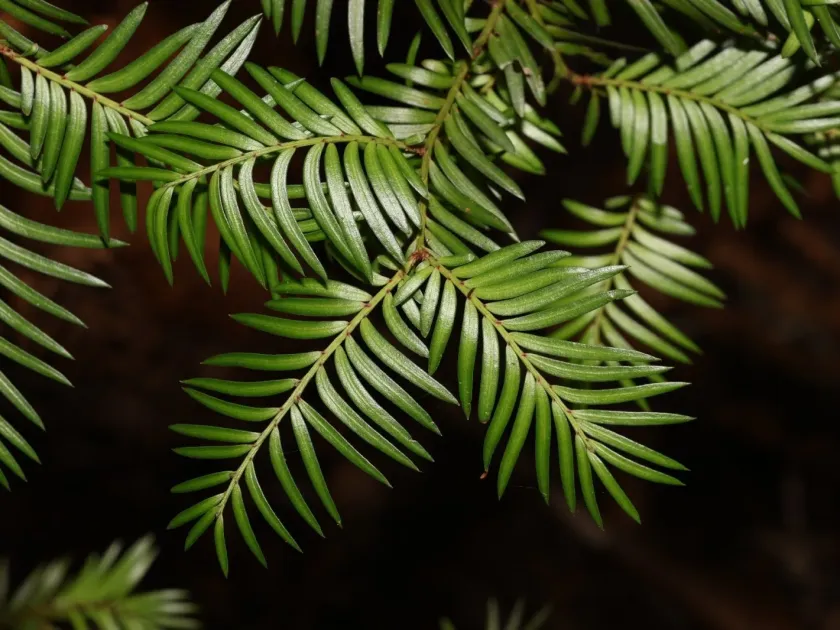
Description
Growing requirements
Prumnopitys ferruginea, commonly known as miro, is a coniferous tree belonging to the Podocarpaceae family. It is a New Zealand endemic species that thrives in moist, temperate, and sub-tropical forests across both main islands.
The species requires deep, fertile, and well-drained soils to reach its full potential. While it can adapt to various conditions, it performs best in sheltered environments with high atmospheric humidity and protection from harsh, drying winds.
Botanically, this tree is recognized for its unique, reddish-brown needles and its ability to produce small, berry-like red fruits. It is a slow-growing evergreen that can eventually attain significant stature, becoming a canopy dominant in its native range.
Climatic requirements focus on avoiding extreme frost and sustained drought. Prumnopitys ferruginea prefers regions with consistent rainfall throughout the year, mirroring the natural conditions of its primary habitat in the dense forest ecosystems.
Economically, the tree was historically valued for its timber, which is fine-grained and durable. Today, it remains an essential component in ecological restoration projects, forestry, and high-value horticultural landscaping where its specific texture is appreciated.
Main diseases and pests
Root rot, often caused by Phytophthora species, remains the most significant threat to nursery-grown saplings. Ensuring superior soil drainage and avoiding over-irrigation are critical cultural practices for healthy plant development.
Pests such as scale insects and spider mites may infest the foliage, particularly in confined areas with limited air movement. Early detection and targeted treatment are necessary to prevent defoliation and stunted growth.
Browsing by invasive mammals, including goats and deer, causes severe structural damage to the bark and lateral branches. Protective fencing is essential in regions where these populations are unmanaged to ensure the survival of young trees.
Environmental stressors such as prolonged dry spells can weaken the tree's defense mechanisms, making it more susceptible to secondary fungal infections. Maintaining proper soil moisture and soil health is key to long-term tree vigor.
Management of the species in plantations requires attention to site selection and monitoring for typical forest pathogens. Preventive maintenance, including the removal of dead or decaying plant debris, helps keep the surrounding environment healthy.