
Microseris scapigera
Microseris scapigera
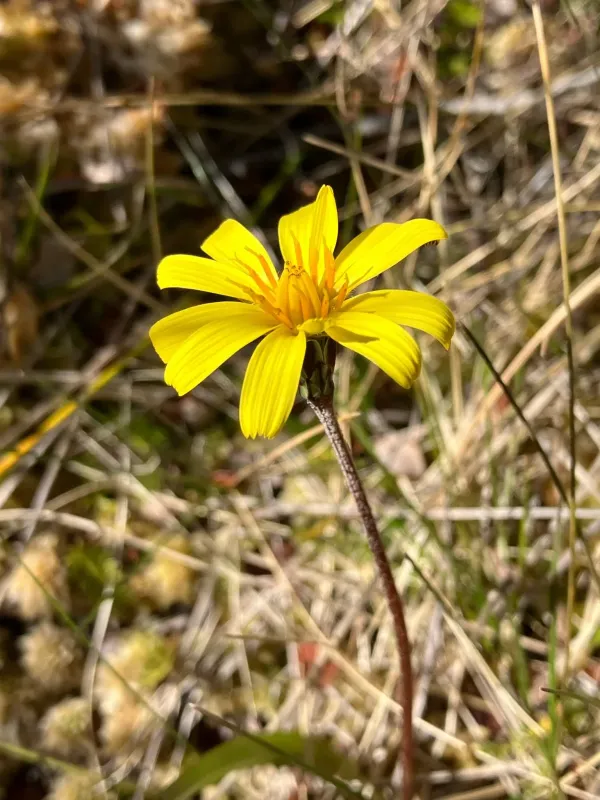
Description
Sowing dates
Microseris scapigera, a member of the Asteraceae family, should be sown directly into open ground or containers in early spring once soil temperatures reach 10–12 degrees Celsius.
For an earlier harvest, it is acceptable to start seeds in greenhouses or cold frames, transplanting them to their permanent location 30–40 days after germination.
The seeds are quite small and should be sown at a shallow depth of no more than 0.5–1 cm, keeping plants about 10–15 cm apart to ensure adequate root development.
Staggered sowing every two to three weeks allows for a continuous supply of fresh produce throughout the entire growing season.
The optimal temperature for seed germination and vigorous vegetative growth is between 15 and 22 degrees Celsius.
Growing requirements
This crop thrives in well-lit areas with loose, sandy, or loamy soils that possess a neutral pH level.
Regular and moderate watering is essential for success, as water deficiency negatively impacts the juiciness of the roots and leaves, while excessive moisture can lead to root rot.
The plant demonstrates moderate cold tolerance, but in regions with harsh winters, it requires adequate protection or should be treated as an annual crop.
Soil preparation must involve deep tilling, as the development of the taproot requires an environment free from dense soil layers or debris.
Incorporating moderate amounts of organic matter in the previous season promotes superior development of the above-ground foliage and improves nutrient storage in the roots.
Yield
The yield of Microseris depends on the quality of cultivation and soil fertility, typically ranging from 1.5 to 3 kg of marketable product per square meter.
It is prized for its edible roots, which offer a flavor profile similar to salsify or sweet parsnip, making it an increasing favorite among specialty vegetable enthusiasts.
The leafy rosette is also edible and can be consumed raw, providing an effective way to harvest nutritious greens during the warmer months.
Maximum biomass production is achieved by maintaining optimal plant density, preventing the overcrowding that often leads to light and nutrient competition.
Utilizing intensive farming techniques, such as drip irrigation, can significantly increase yield figures beyond standard averages.
Main diseases and pests
Slugs and snails are among the primary pests for this crop, as they frequently feed on the succulent young leaves during damp weather.
In densely packed plantings with poor ventilation, there is an increased risk of fungal infections such as powdery mildew or various forms of root collar rot.
Aphids can colonize the undersides of the leaves, draining plant vitality, which necessitates regular monitoring from the earliest stages of seedling development.
Soil-dwelling larvae, particularly wireworms, may damage the roots, which decreases their aesthetic value and reduces their storage shelf life.
Adhering to crop rotation practices and timely weeding helps minimize most risks associated with the spread of pathogens and harmful insect infestations.
Harvesting
Harvesting of Microseris roots begins three to four months after germination, once the plant has reached biological maturity.
Care must be taken during extraction, using a garden fork or spade to gently lift the roots from the ground without damaging their fragile structure.
After lifting, clean the roots of soil residue and air-dry them in a shaded, well-ventilated area to prevent rapid wilting and post-harvest decay.
Leafy greens can be harvested selectively as needed, once the rosette has developed enough biomass for a substantial cutting.
For long-term storage, keep the roots in a cool, dark environment with humidity levels around 80–85 percent to maintain freshness for several weeks.