
Alder-leaved service tree
Micromeles alnifolia (Siebold & Zucc.) Koehne
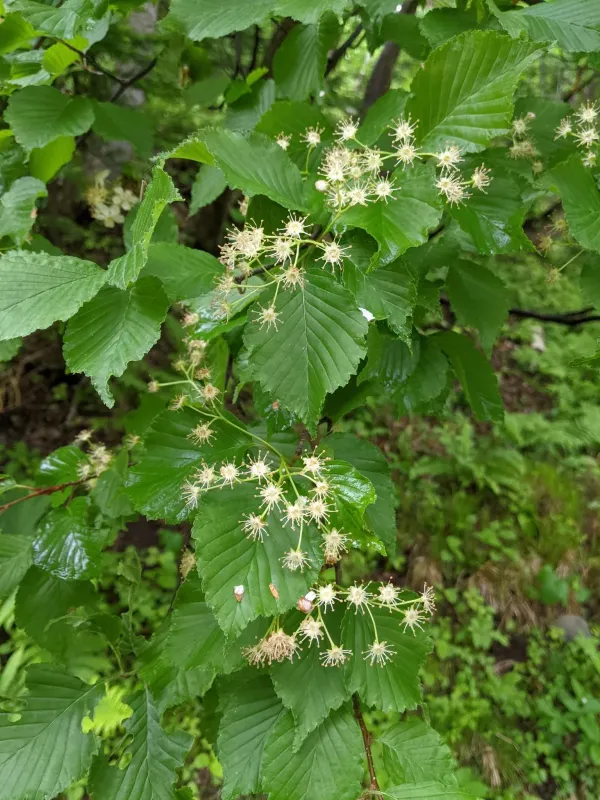
Description
Sowing dates
The Alder-leaved service tree (Sorbus alnifolia) is primarily propagated through seeds. Successful germination requires a long cold stratification period, typically lasting between 3 to 4 months at temperatures ranging from 2°C to 5°C, to break seed dormancy.
Seeds are ideally sown outdoors in late autumn, allowing the natural freeze-thaw cycles of winter to prepare the seeds for spring germination. Nursery beds should feature well-draining, nutrient-rich soil to ensure high seedling vigor.
Vegetative propagation via grafting onto common rowan (Sorbus aucuparia) rootstocks is a common practice in specialized nurseries. Grafting ensures the preservation of specific ornamental traits and leads to faster maturation and earlier flowering compared to seedlings.
Young seedlings demand meticulous care during their first two years, including regular moisture management and protection from direct midday sun. Pruning is usually not required in the early stages, as the tree naturally maintains a balanced, pyramidal form.
Planting in the final location should be done in early spring after the risk of severe frost has passed. Adequate spacing of at least 3 to 4 meters ensures that the tree has sufficient space for its root system and canopy development as it reaches maturity.
Growing requirements
Belonging to the Rosaceae family, this species is native to East Asia. It thrives in locations that receive full sun to partial shade. Protection from strong, drying winds is recommended to preserve the integrity of its foliage and overall structure.
The species prefers deep, fertile, slightly acidic to neutral loamy soils. Excellent drainage is critical, as the tree is intolerant of waterlogged conditions, which can quickly lead to root rot and other physiological disorders.
The Alder-leaved service tree is highly hardy and well-suited for temperate climates. It tolerates cold winters exceptionally well, making it a reliable choice for landscaping in regions with significant temperature fluctuations.
During the establishment phase, consistent watering is essential. Once established, the tree demonstrates moderate drought tolerance; however, supplemental watering during prolonged dry spells in summer will significantly enhance its growth rate and health.
Applying organic mulch around the base of the tree is highly recommended. Mulching helps retain soil moisture, suppresses weed growth, and gradually improves soil fertility as the organic material decomposes over time.
Yield
The primary value of the Alder-leaved service tree is its ornamental utility in landscape architecture. Its attractive, alder-like leaves, white flower clusters in spring, and vibrant autumn foliage make it a prized specimen in parks and private gardens.
The tree produces small, red to orange-red pomes that mature in late autumn. While they are edible, they are mostly significant for their ecological role, providing a vital late-season food source for various bird species in the urban environment.
The wood is hard and durable; however, due to the tree's slow to moderate growth rate, it is not cultivated for commercial timber production. Its use remains focused on urban forestry, street planting, and aesthetic garden displays.
This species is highly regarded for its tolerance to urban pollution, making it an excellent candidate for city streetscapes and industrial park landscaping where other sensitive tree species might struggle to survive.
As a landscape feature, the tree provides a year-round interest. Its clean habit and resistance to structural breakage make it a low-maintenance asset for homeowners looking for sustainable, attractive woody plants.
Main diseases and pests
Common fungal diseases include leaf spots and powdery mildew, which thrive in high-humidity conditions. Maintaining proper airflow through the canopy via strategic pruning helps minimize the incidence of these pathogens.
Pests such as aphids and leaf rollers may occasionally target new growth. Integrated pest management, focusing on biological controls and minimal chemical intervention, is the preferred approach to maintaining plant health.
Fire blight (Erwinia amylovora) is a serious concern for many plants in the Rosaceae family. Vigilant monitoring is required; any infected branches must be pruned immediately and disposed of properly to stop the spread of the bacteria.
Root rot caused by poor soil drainage can weaken the tree, making it susceptible to secondary infections. Ensuring that the planting site has been properly prepared with suitable drainage layers is the best prevention strategy.
Small mammals and rodents may damage the bark of young trees during the winter months. Installing protective tree guards or mesh wraps around the trunk is an effective preventative measure to avoid injury and subsequent infection.