
Microdesmia rigida
Microdesmia rigida
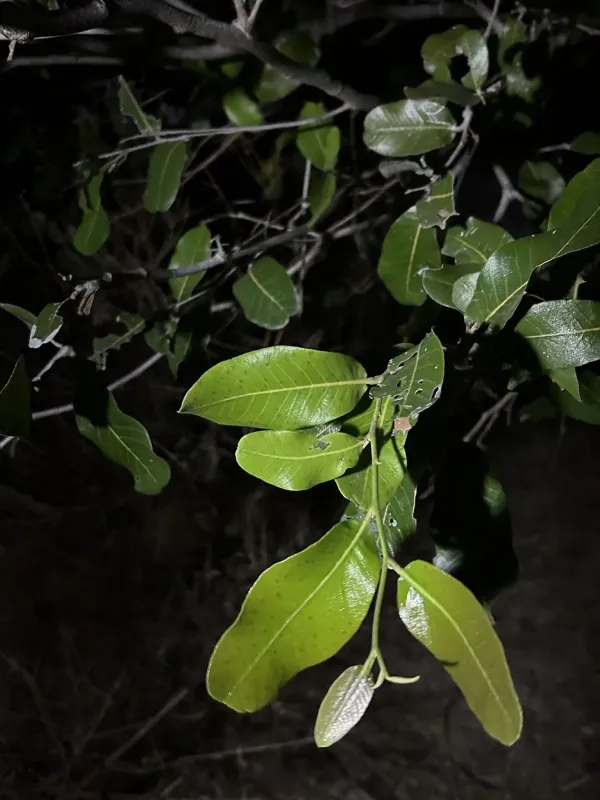
Description
Growing requirements
Microdesmia rigida is a woody plant belonging to the Euphorbiaceae family. Its natural distribution spans across tropical habitats where consistent warm conditions prevail throughout the year.
The plant thrives in well-drained, nutrient-rich soils with a slightly acidic profile. Achieving a balance in soil moisture is crucial, as the species is sensitive to waterlogging, which often leads to root collar issues.
Regarding climate, this crop requires high atmospheric humidity and protection from cold winds. It is exclusively adapted to tropical environments and will show signs of physiological stress if kept in temperate zones.
Agricultural management requires careful attention to light exposure. While mature plants are relatively robust, juvenile stages prefer partial shade to avoid transpiration stress and leaf scorch.
Fertilization regimes should prioritize organic amendments to mimic natural forest floor conditions. This approach supports long-term soil health and sustains the vigour of the plants over their lifespan.
Main diseases and pests
Common threats to the crop include various fungal pathogens that flourish in high-humidity environments. Among these, leaf spot diseases can significantly reduce photosynthetic capacity if left untreated.
Insect pests, specifically sucking insects like spider mites and aphids, represent a constant challenge for producers. Integrated pest management strategies, involving beneficial insects, are highly recommended.
Root system health can be compromised by soil-borne pathogens. Proper field drainage and the avoidance of high-density planting help to minimize the risk of spreading infections between individual specimens.
Viral vectors, primarily sap-sucking pests, can facilitate the spread of systemic diseases that cause chlorosis and stunted growth. Rapid identification and removal of symptomatic plants are essential.
Effective management also relies on rigorous field hygiene. Removing fallen leaves and infected plant parts minimizes the overwintering potential of many common pathogens in the cultivation area.