
Microdesmia arborea
Microdesmia arborea
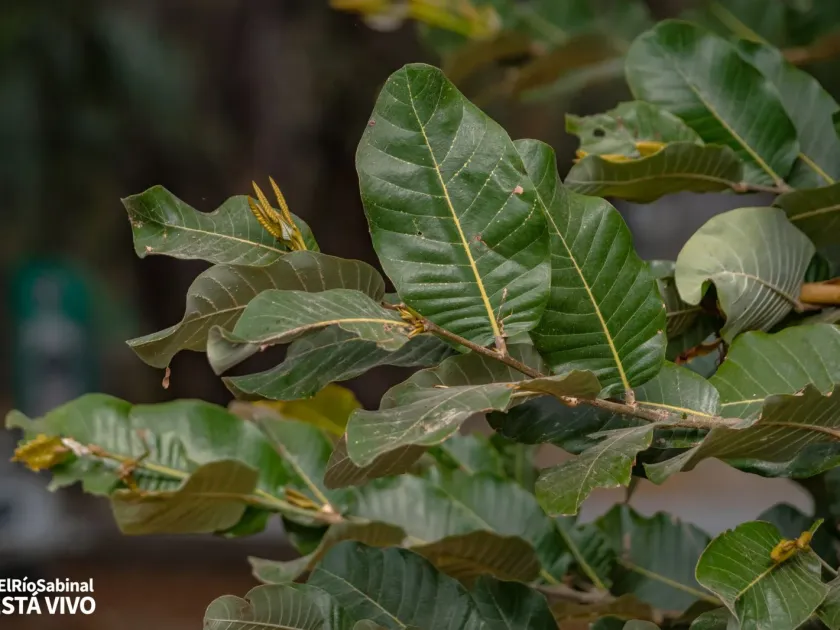
Description
Growing requirements
Microdesmia arborea is a tree species belonging to the family Pandaceae. It is native to the tropical forests of West and Central Africa, where it thrives in humid and stable ecological conditions.
The plant requires deep, well-drained soils that are rich in organic matter. It shows a low tolerance for waterlogging, making proper land drainage a critical prerequisite for successful plantation development.
Climatic requirements are strictly tropical, necessitating high humidity and consistent temperatures between 22°C and 30°C throughout the year. It does not possess significant cold hardiness and is sensitive to frost.
In terms of light, the species is relatively shade-tolerant at the seedling stage, which allows it to be integrated into various agroforestry systems under a partial canopy of taller trees.
Agricultural management should prioritize soil fertility maintenance through mulching and the application of organic fertilizers, which help replicate the natural forest floor conditions necessary for healthy root systems.
Yield
The primary economic use of Microdesmia arborea is for its timber. The wood is valued for its strength and durability in local construction applications, as well as for making various household utensils and agricultural tools.
Yield estimation is focused on the volume of timber produced per hectare. In organized forestry, the planting density and thinning regimes are carefully managed to maximize the production of high-quality logs.
Besides timber, the plant has potential applications in pharmacology due to its phytochemical properties. Research continues into the extractable compounds that may hold value for medical or industrial sectors.
Effective plantation management involves monitoring the stand density to prevent nutrient competition and ensuring that the growth cycle is optimized through appropriate silvicultural interventions.
Harvesting strategies are based on identifying the maturity of the trees, typically focusing on clear-cutting or selective harvesting systems depending on the specific objectives of the timber enterprise.