
Mezzettia umbellata
Mezzettia umbellata
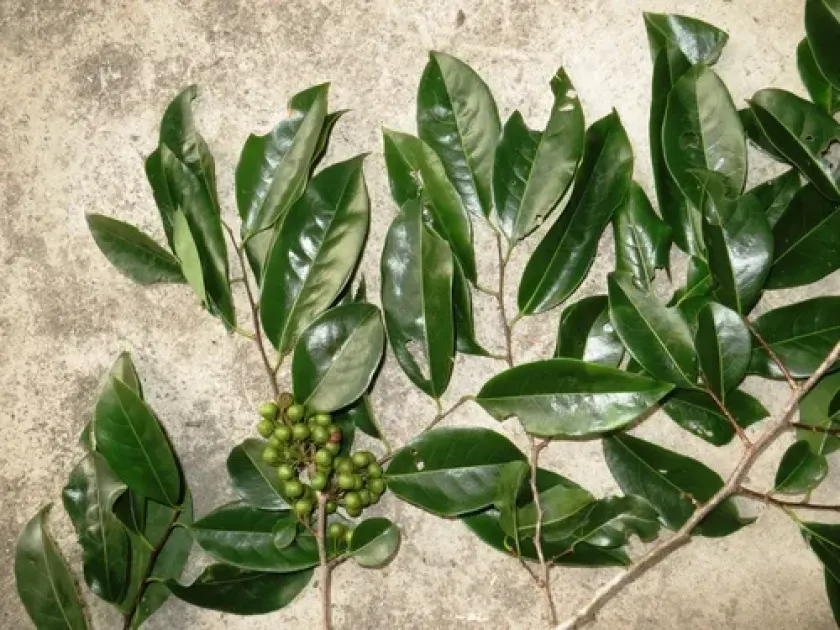
Description
Growing requirements
Mezzettia umbellata is a notable species within the Annonaceae family, native to the tropical rainforests of Southeast Asia. This evergreen tree thrives in dense, humid environments where it occupies the understory layers, adapted to low-light conditions.
The species requires a tropical climate with consistent high temperatures throughout the year. It lacks tolerance for frost or cool snaps, which can lead to metabolic stress and permanent damage to the canopy and structural tissues.
Regarding soil, Mezzettia umbellata prefers deep, nutrient-rich substrates that are well-drained. Given its natural habitat, it requires a constant supply of moisture and is highly sensitive to extended drought periods that may occur during micro-climate fluctuations.
The botanical structure of the tree is characterized by its umbrella-shaped inflorescences, which give the plant its specific identity. Its leaves are thick and leathery, an evolutionary trait designed to minimize water loss while maximizing light absorption in the shade.
Commercially, the tree is primarily recognized for its wood quality. Beyond timber, current interest involves the screening of its extracts for potential medicinal applications, contributing to the broader understanding of tropical biodiversity.
Main diseases and pests
The primary threat to Mezzettia umbellata is habitat degradation driven by the conversion of primary forests into agricultural land, particularly for industrial oil palm plantations. This leads to the rapid decline of localized populations.
In terms of pathology, the tree is susceptible to root rots caused by soil-borne fungi if the drainage is inadequate. Pathogens flourish in high-humidity conditions, posing a risk to both seedlings and mature specimens under stress.
Insects, such as wood-boring beetles, can cause significant damage to the trunk and branches, especially when the tree's natural defense mechanisms are compromised. Monitoring for these pests is essential in any conservation or silvicultural context.
Environmental stressors related to climate change, including erratic rainfall, can disrupt the tree's health, making it more susceptible to secondary infections. The reliance on specific forest micro-climates makes the species particularly sensitive to external disturbances.
Conservation efforts prioritize the protection of existing forest fragments and the research of sustainable cultivation techniques. Ensuring the stability of the local ecosystem remains the most effective strategy to mitigate the risk of disease and decline.