
Mezzettia macrocarpa
Mezzettia macrocarpa
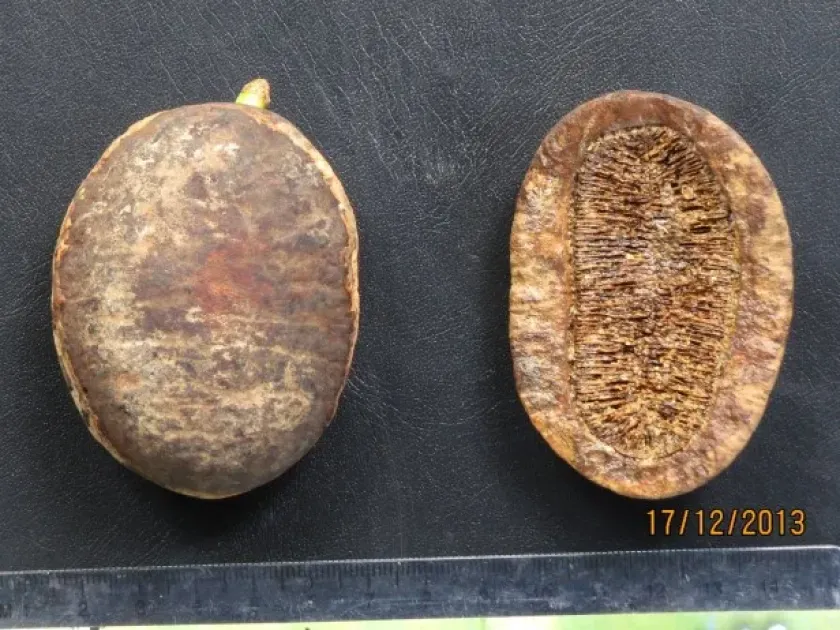
Description
Growing requirements
Mezzettia macrocarpa belongs to the Annonaceae family and is a large evergreen tree reaching heights of up to 30-40 meters. In its natural habitat, it constitutes a vital component of the upper canopy in the tropical rainforests of Southeast Asia.
The plant has strict climatic requirements, favoring a consistently hot and humid tropical environment without significant dry seasons. Optimal conditions include high atmospheric humidity and frequent, well-distributed annual rainfall.
Soil requirements are specific: the species thrives in deep, fertile, and well-drained alluvial soils. Mezzettia is highly sensitive to waterlogging, making heavy clay soils or areas with poor drainage unsuitable for its growth and development.
Biologically, the species is characterized by a straight, slender trunk and a dense crown, which has evolved to compete for sunlight in dense forest stands. The wood is prized for its strength and specific grain pattern, making it a valuable forestry asset.
Economic utilization of this species is primarily focused on timber production for high-quality furniture and construction. Furthermore, ongoing research investigates the pharmaceutical potential of the plant's extracts due to its unique secondary metabolites.
Main diseases and pests
The main threats to these stands are pathogenic fungi that attack the root system during periods of excessive soil moisture. In natural forest environments, the tree is also vulnerable to specific tropical wood-boring insects.
Human activity remains the most significant threat: widespread deforestation within its native range is rapidly shrinking natural populations. Conservation efforts are essential to manage and protect existing forest resources effectively.
Wood diseases often follow mechanical damage to the trunk, which provides an entry point for fungal spores. Systematic monitoring of forest stands is crucial to detect early signs of infection and prevent the spread of diseases.
Pests such as weevils and borers can cause significant damage to young saplings, impeding their growth. When establishing new plantings, proper spacing is recommended to ensure adequate air circulation and reduce pest colonization.
Climate change, particularly the lengthening of severe drought periods, significantly impacts the viability of the species. Investigating the plant's tolerance to shifting environmental conditions is a priority for modern bio-ecological research.