
Sago palm
Metroxylon sagu Rottb.
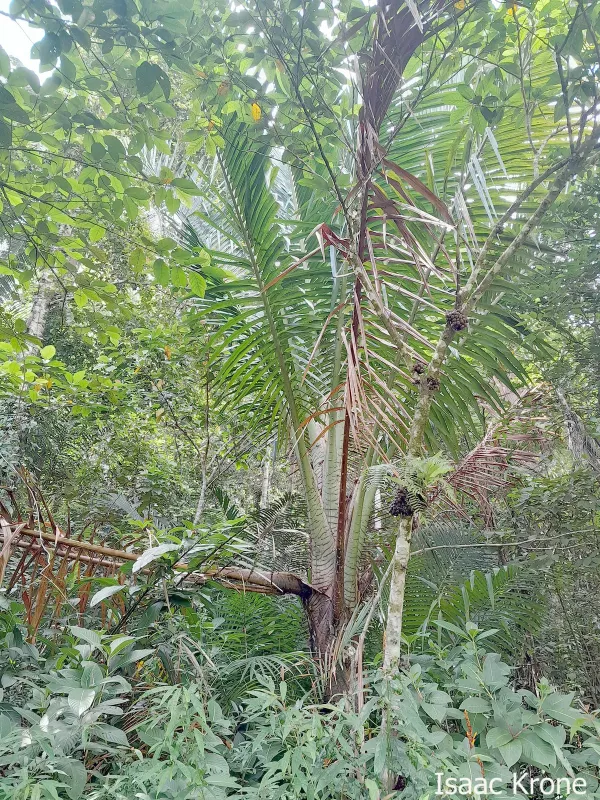
Description
Sowing dates
The sago palm is primarily propagated through vegetative means by separating the root suckers that emerge from the base of the parent plant.
Propagation by seeds is rarely practiced due to the unpredictable germination rates and the lengthy maturation period required for the seedlings.
Planting operations are typically scheduled at the onset of the rainy season to ensure sufficient moisture for the successful establishment of young shoots.
When establishing a plantation, a spacing of 6 to 8 meters between plants is recommended to allow for adequate canopy development and root expansion.
Young plants require consistent monitoring during their first year to protect them from environmental stress and ensure healthy initial growth.
Growing requirements
The Metroxylon sagu is a member of the Arecaceae family, perfectly adapted to the lowland tropical environments of Southeast Asia.
This crop thrives in hot and humid climates with temperatures consistently ranging between 24°C and 30°C throughout the year.
High levels of rainfall and humidity are essential for the palm, which naturally flourishes in swampy, riverine, and coastal wetland habitats.
The ideal soil for sago palm cultivation is nutrient-rich, with a high organic matter content and the ability to maintain permanent moisture levels.
It is unique among agricultural crops for its ability to tolerate waterlogged conditions, making it suitable for areas prone to frequent flooding.
Yield
The primary agricultural output of the sago palm is the starch accumulated within the pith of the stem prior to the plant's flowering phase.
A single mature palm can yield between 100 and 300 kilograms of high-quality starch, which is a major food source in many tropical regions.
The lifecycle from planting to harvest typically spans 8 to 15 years, as the plant must build up a significant reserve of carbohydrates.
Modern agronomic practices aim to shorten this cycle through selective breeding of high-yielding varieties and optimized plantation management.
Regular maintenance of the palm grove ensures consistent yield cycles, allowing for sustainable harvesting across generations of the plantation.
Main diseases and pests
Red palm weevils represent the most significant pest threat, as their larvae bore into the palm stem, potentially causing the plant to collapse.
Fungal pathogens thriving in stagnant water conditions can cause root and stem rot, particularly in poorly managed plantations with low air circulation.
Wildlife such as wild boars can cause severe damage by trampling young shoots or consuming the tender tissues of the emerging palm stalks.
Integrated pest management strategies focusing on plantation hygiene are preferred over chemical interventions to maintain the organic status of the crop.
Continuous monitoring of plant health allows farmers to mitigate threats early, preventing the spread of diseases within the plantation area.
Harvesting
Harvesting involves felling the palm at the peak of its starch content, which is identified by the onset of the plant's final reproductive stage.
The stem is then processed by removing the outer bark and grinding the starchy pith into a pulp, which is subsequently washed and filtered.
The resulting starch slurry is left to settle, and the extracted raw starch is then dried to produce the final consumable sago flour or pearls.
Precision in timing the harvest is vital; if a palm is left to flower, the starch reserves are depleted to support seed development, rendering the harvest useless.
Post-harvest management is minimal as the plantation regenerates naturally from the remaining root system, ensuring continued land productivity.