
Mesua ferrea
Mesua ferrea
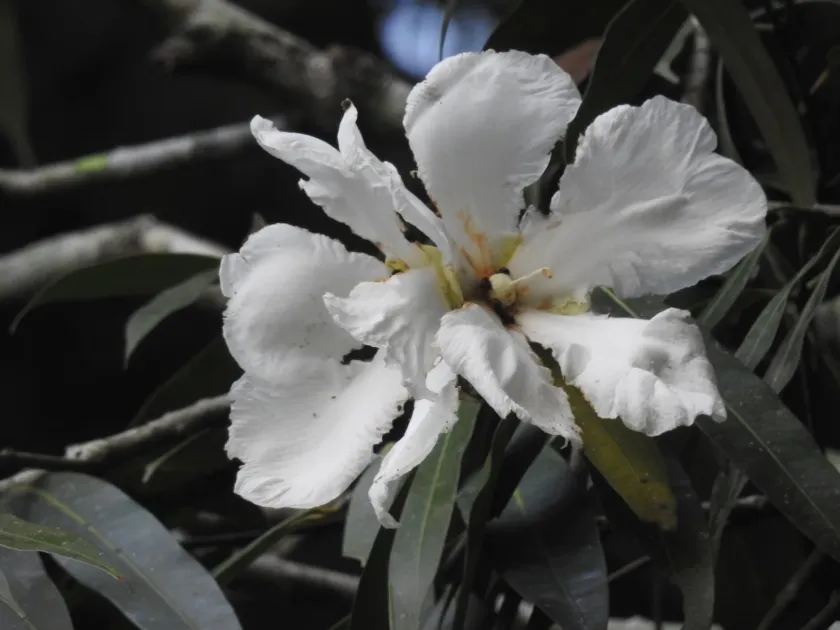
Description
Growing requirements
Mesua ferrea, commonly known as the ironwood tree, belongs to the Clusiaceae family. It is an evergreen, slow-growing tree known for its exceptional wood density and aesthetic appeal in tropical landscapes.
Originating from the tropical forests of South and Southeast Asia, the tree thrives in regions with high humidity and consistent annual temperatures. It does not tolerate frost or prolonged cold spells.
The species requires deep, fertile, and well-drained soil to flourish. While it can tolerate various soil types, moisture retention must be balanced with efficient drainage to prevent waterlogging.
In its juvenile phase, the plant prefers partial shade, mimicking the lower canopy conditions of its natural rainforest habitat. As it matures, it can withstand full sun exposure, which enhances its growth rate.
Agrotechnical maintenance involves regular moisture management and ensuring the soil remains nutrient-rich through organic fertilization, which supports the tree's heavy biomass production.
Yield
The primary economic value of Mesua ferrea lies in its timber, which is among the hardest and densest in the world. This makes it highly sought after for heavy construction and furniture manufacturing.
The seeds contain a fatty oil that is extracted for industrial applications, such as the production of biofuels, lubricants, and high-quality artisanal soaps.
The fragrant flowers of the tree are harvested for their essential oils. These are widely used in the perfume industry to provide a base for exotic and floral scents in premium product lines.
Traditional medicine utilizes the bark, leaves, and flowers due to their therapeutic properties, including anti-inflammatory and antiseptic activities, which are highly valued in herbal pharmacology.
- Timber used for heavy-duty structural work
- Seed oils for industrial and cosmetic use
- Floral extracts for high-end perfumery
- Pharmacological compounds for natural medicine
Main diseases and pests
Mesua ferrea is generally resilient to many pests; however, fungal infections can occur in environments with poor air circulation and excessive humidity, leading to leaf spot diseases.
Insects like scale insects and mealybugs can infest young saplings. These pests cause stunted growth by extracting sap from the succulent parts of the young plant, necessitating careful monitoring.
Root rot is a significant risk, usually triggered by compacted soils or water stagnation. Ensuring a well-structured soil profile is the most effective preventative measure against these systemic issues.
Integrated Pest Management (IPM) strategies, including biological control agents, are recommended for large-scale plantations to avoid reliance on synthetic chemicals and maintain soil health.
Proper spacing during planting is crucial to ensure adequate airflow between mature trees, which effectively reduces the humidity-related stress that often attracts specific pathogens.