
Mestoklema tuberosum
Mestoklema tuberosum
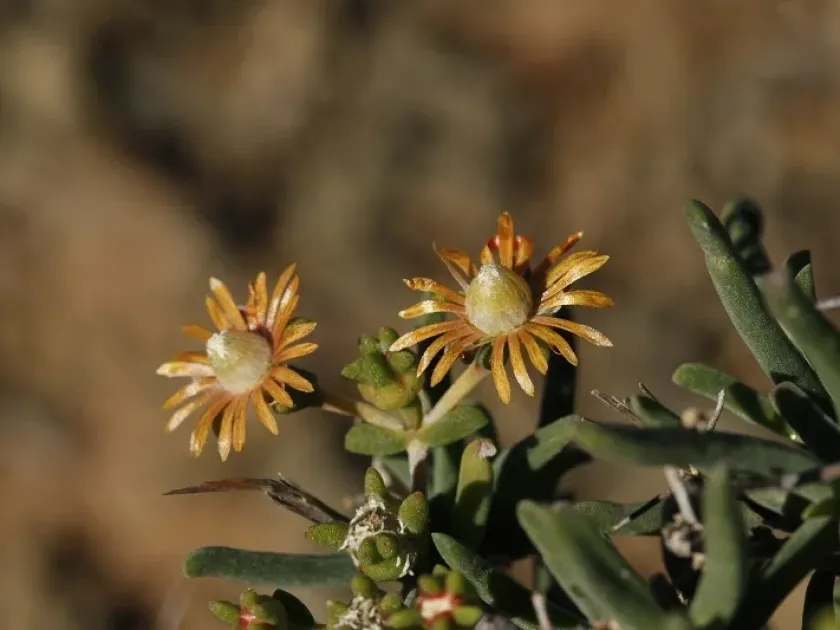
Description
Sowing dates
Propagation of Mestoklema tuberosum is primarily achieved through seeds sown in spring. This timing aligns with the natural start of the growing season, promoting higher germination rates.
Seeds should be distributed over a well-draining mineral-based substrate. A light covering of coarse sand helps maintain stability while allowing necessary light access for early development.
Maintaining a consistent temperature between 20-25 degrees Celsius is crucial for success. High humidity should be maintained under a transparent cover until the first true leaves emerge.
Once established, the seedlings require a gradual transition to drier air. Over-watering at this stage is a common mistake that leads to damping off of the young succulents.
Transplanting is best performed when the seedlings develop a robust root system. Care must be taken to avoid damaging the delicate roots during the transfer to individual containers.
Growing requirements
Mestoklema tuberosum belongs to the Aizoaceae family and originates from arid landscapes in South Africa. Its unique biology allows it to thrive in nutrient-poor, rocky environments.
High levels of solar radiation are necessary for this plant to maintain its characteristic compact shape. It thrives in full sunlight, which is essential for proper physiological development.
Soil requirements are strict, focusing on rapid water drainage. A mix containing perlite, pumice, and minimal organic matter is ideal for ensuring that the root system does not suffocate.
The irrigation strategy should mimic periodic desert rainfall. Allow the substrate to dry completely before applying water again, and significantly reduce watering during the dormant winter phase.
Good air circulation is vital to prevent fungal issues. This plant is well-adapted to high temperatures but requires protection from frost and freezing temperatures, which can destroy its cells.
Main diseases and pests
Root rot is the most significant threat to the health of Mestoklema tuberosum. It is typically caused by poorly drained soil or excessive moisture accumulation around the caudex base.
Common pests include mealybugs and spider mites. These insects can quickly proliferate in environments with poor air circulation, feeding on the succulent leaves and stems.
Integrated pest management strategies should be applied, including the use of targeted acaricides and insecticides. Regular visual inspections are recommended to catch infestations early.
Fungal infections can occur if the ambient humidity remains high for extended periods. Applying systemic fungicides can help control outbreaks in professional collections.
Cultural sanitation, including the removal of dead leaves and keeping the surface of the soil clean, serves as an effective preventative measure against many common succulent pests.