
Merxmuellera disticha
Merxmuellera disticha
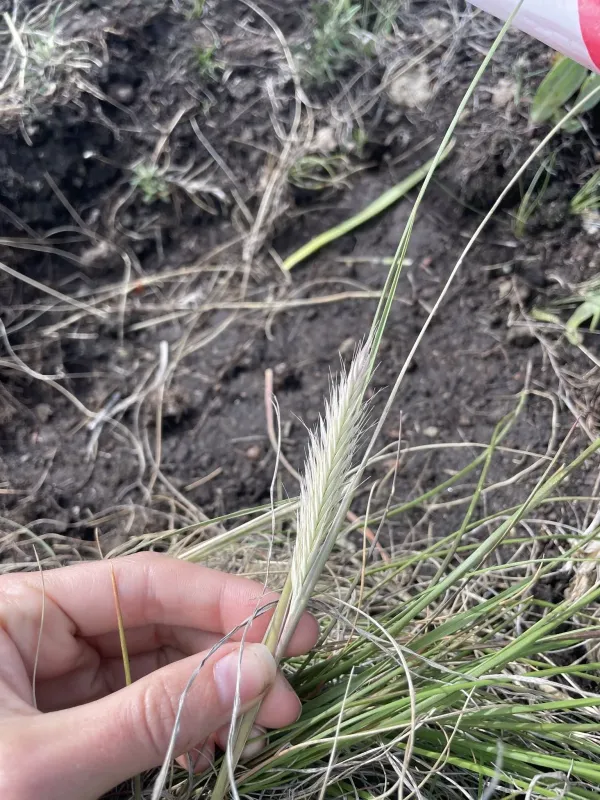
Description
Growing requirements
Merxmuellera disticha is a perennial grass belonging to the Poaceae family, primarily adapted to high-altitude environments. Known for its tough, tufted growth habit, this species is a critical component of alpine vegetation, particularly in Southern Africa's mountainous regions.
Botanically, the plant features narrow, sclerophyllous leaves that are well-adapted to survive extreme cold and high wind speeds. The deep, fibrous root system is highly efficient at nutrient uptake in poor, acidic soils and acts as an effective anchor for stabilizing steep mountain slopes.
The culture thrives in areas with low average temperatures and significant daily temperature fluctuations. It exhibits high drought tolerance, partly due to the morphological adaptation of its leaves, which can roll up to conserve moisture during periods of physiological stress.
Soil requirements for Merxmuellera disticha are specific; it prefers well-drained, nutrient-poor substrates, including lithosols and acidic peat-like mountain soils. It does not tolerate waterlogging, which can quickly lead to root decay in cold-climate conditions.
In terms of agronomic use, it is not a traditional crop for cultivation but is a vital natural resource for extensive livestock grazing. Its presence ensures the stability of the high-altitude ecosystem, preventing soil erosion and providing forage when more succulent plants are dormant.
Main diseases and pests
The primary threat to the health of Merxmuellera disticha stands is overgrazing, which leaves the soil vulnerable to erosion and compaction. As the plant has a slow recovery rate, improper grazing cycles can cause long-term depletion of the biomass.
Common cereal diseases such as rusts and mildews are rarely observed in these high-altitude populations, as the environmental conditions are generally unfavorable for rapid fungal propagation. The plant's inherent hardiness provides it with high levels of natural immunity.
Pests typical of lower-altitude agricultural lands are generally absent in the alpine zones inhabited by this species. The main biological risks are associated with natural competition from colonizing shrub species that can encroach upon and shade out the grass.
Environmental threats include changes in fire regimes. While some fire is natural for these ecosystems, overly frequent burning can severely damage the crowns of the grass, preventing effective regeneration and reducing the botanical diversity of the range.
Management strategies focus on sustainable grazing pressure and avoiding total clear-cutting of the vegetation. Monitoring the health of the stands involves checking for signs of degradation and ensuring that the soil structure remains intact to prevent encroachment by invasive weeds.