
Corsican mercury
Mercurialis corsica
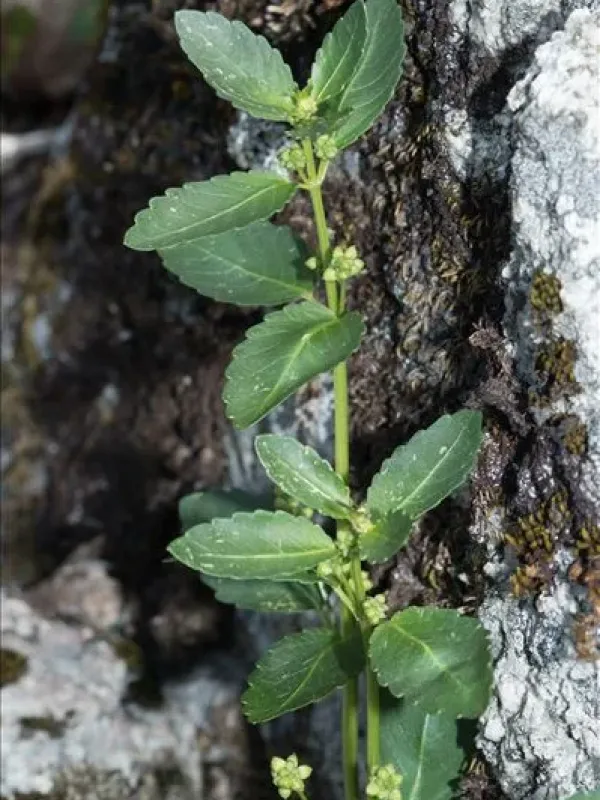
Description
Growing requirements
Corsican mercury (Mercurialis corsica) is a herbaceous perennial plant belonging to the Euphorbiaceae family. It is an endemic species native to the island of Corsica, thriving in highly specific ecological niches that require careful attention from growers.
The plant requires a mediterranean climate regime, characterized by cool, wet winters and warm, dry summers. In agricultural settings, it is essential to replicate these conditions by choosing a location with excellent air circulation and moderate temperatures.
Soil composition is a critical factor for the health of this species. It demands well-draining, stony, or gravelly soils that prevent moisture retention around the roots. Heavy or waterlogged soils are detrimental and typically lead to immediate root decay.
Light requirements for Corsican mercury involve partial shade or filtered sunlight. While the plant can withstand some exposure, intense direct sun in confined spaces without sufficient ambient moisture can quickly dehydrate the plant tissue.
Agricultural management should focus on non-invasive practices. Due to its sensitivity to soil disturbance, minimal tillage around the root zone is recommended to preserve the integrity of the underground structure during the growth cycle.
Main diseases and pests
Fungal diseases are the primary threat to the health of Corsican mercury. Phytophthora and other soil-borne pathogens are frequently associated with over-watering, making strict water management the most important protective measure.
Spider mites are common pests that thrive in the same environmental conditions often created in greenhouse settings. Their presence can be identified by fine webbing on the undersides of leaves, which requires immediate intervention to mitigate.
Powdery mildew is another significant issue during periods of high humidity and poor ventilation. Providing consistent airflow is the best preventative strategy to ensure the leaves remain free from fungal colonies.
Competitive weeds pose a major challenge to the growth of this plant, as they can quickly deplete soil nutrients and limit available space. Hand-weeding is preferred over chemical herbicides to avoid damaging the plant's delicate root system.
Nutrient toxicity is a potential risk when using synthetic fertilizers. It is advisable to use organic, slow-release amendments that match the natural, nutrient-lean soils of the plant's native habitat to maintain long-term vigor.