
Melinis nerviglumis
Melinis nerviglumis
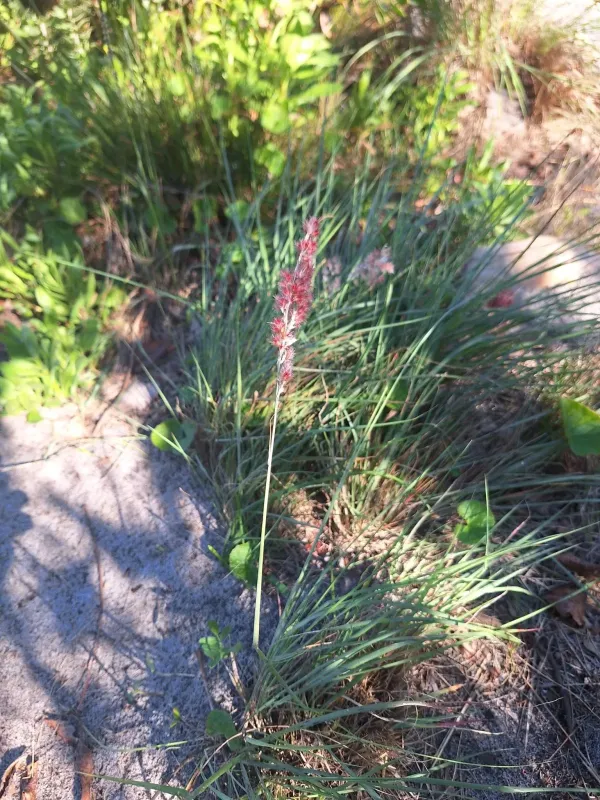
Description
Sowing dates
Sowing Melinis nerviglumis is typically performed in the spring season when temperatures remain consistently warm. Seeds are very small and should be sown on the surface of the growing medium, requiring minimal covering to allow light for germination.
For successful germination, maintaining a stable temperature range between 20–22°C is essential. It is crucial to ensure the substrate remains moist but not waterlogged, as excessive water can cause the delicate seeds to rot quickly.
Growing from seedlings is the preferred method for regions with shorter growing seasons. Starting indoors allows the plants to establish a healthy root system before being transplanted outdoors once the risk of frost has passed.
Vegetative propagation by dividing established clumps is another reliable method for increasing stocks. This approach is best executed in early spring, allowing the divided plants to recover before the peak growth period.
The choice of site is vital for success. Melinis nerviglumis thrives in locations that receive full, direct sunlight, which is necessary to trigger the development of its signature colorful inflorescences.
Growing requirements
Melinis nerviglumis is a perennial grass species belonging to the Poaceae family, native to the tropical and subtropical regions of Africa. It is widely prized for its fine foliage and beautiful, pendulous, pink-to-ruby flower spikes.
This grass species prefers well-drained, sandy or gravelly soils that are relatively low in fertility. It possesses excellent drought tolerance once established, making it suitable for water-wise gardening and xeriscaping projects.
Drainage is the most important factor in its soil requirements. The plant will struggle or die quickly in heavy, water-retaining soils, as stagnant water around the root zone leads to rapid decay and fungal issues.
Climate adaptability varies, but the plant is not considered hardy in colder regions. While it can withstand mild temperature drops, it typically requires protection or a greenhouse environment in climates with freezing winters.
Regarding nutrition, the plant requires only light fertilization. Excessive nitrogen will promote lush, soft vegetative growth, which diminishes the ornamental value of the flower spikes and makes the plant look unkempt.
Yield
In modern horticulture, Melinis nerviglumis is utilized almost exclusively for its ornamental qualities. It serves as an excellent focal point in perennial borders, containers, and naturalistic landscape designs.
Its productivity in a garden setting is characterized by the number and longevity of its inflorescences. When conditions are optimal, a mature plant produces an abundance of blooms that persist throughout the late summer and autumn.
While not a major commercial forage crop, in its native African habitat, it can form part of a natural grazing ecosystem. However, its agricultural yield as a fodder crop is low compared to more productive grass species.
The stems and foliage have aesthetic value in dried floral arrangements. Cutting the inflorescences at the peak of their coloration allows for indoor decorative use throughout the winter months.
Seed harvesting can be performed at the end of the season. Given the plant's light seeds, careful collection is required to prevent pre-harvest loss caused by wind or heavy rainfall.
Main diseases and pests
Melinis nerviglumis is generally resistant to most common garden pests, thanks to its relatively tough and silica-rich foliage. This makes it a low-maintenance choice for many gardening enthusiasts.
The primary threats are fungal pathogens associated with poor air circulation and excessive moisture. Powdery mildew can occur if the plants are spaced too closely or if the foliage remains wet for extended periods.
In indoor or greenhouse settings, spider mites may become a problem during periods of low humidity. Regularly checking the undersides of the leaves helps in detecting early infestations before they spread.
Weed competition is a significant threat during the establishment phase. As a relatively slow-growing plant initially, it requires regular weeding to ensure it is not choked out by aggressive native vegetation.
Preventative measures, such as selecting a site with high sun exposure and ensuring adequate spacing between plants, are usually sufficient to maintain a healthy stand without needing harsh chemical pesticides.