
Bulbous melic
Melica bulbosa
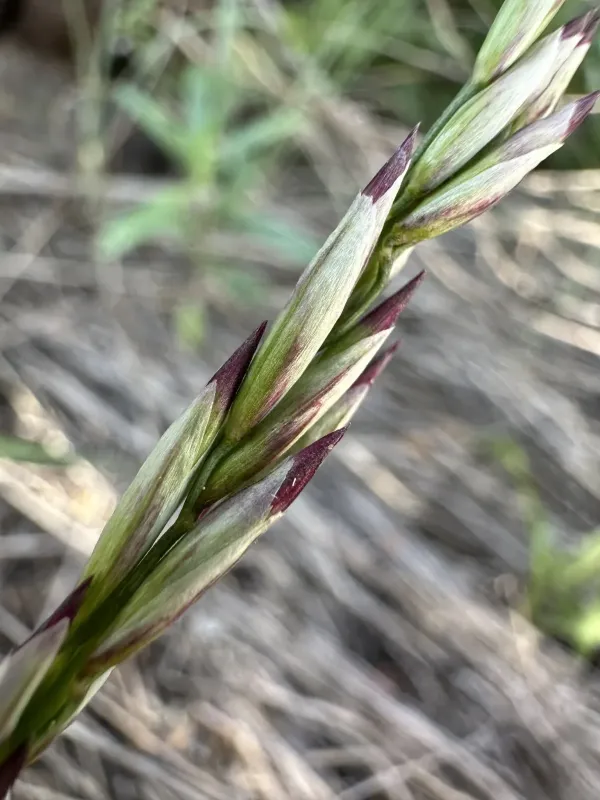
Description
Sowing dates
Sowing of bulbous melic is typically performed in early spring or autumn when soil moisture is sufficient to support consistent germination. The exact timing depends on local climatic conditions, with spring being the most common choice for establishing new stands.
Before sowing, the field must be cleared of weeds to minimize competition during the establishment phase, as the seedlings are relatively slow to develop initially. Seeds should be placed at a depth of 2-3 centimeters to ensure good contact with the moist soil layer.
Using standard grain drills with adjusted settings for small seeds provides uniform spacing across the field. Proper seed distribution is crucial for achieving an even canopy and reducing the need for post-emergence weed control.
Seedlings emerge within 15–20 days depending on soil temperature and moisture levels. Once the first true leaves are established, the plant begins to develop its characteristic bulbous structures at the base, which are vital for long-term survival.
Post-sowing care includes rolling the soil to improve capillary action and ensure moisture reaches the seed zone. This technique promotes uniform emergence and helps the plants develop a robust root system before the onset of stressful conditions.
Growing requirements
Bulbous melic, belonging to the Poaceae family, thrives in well-drained, moderately fertile loamy soils. It is highly adaptable and capable of enduring brief dry spells due to the storage of nutrients in its modified subterranean bulbs.
The crop prefers neutral to slightly alkaline soil pH levels. It is essential to avoid poorly drained sites or areas prone to waterlogging, as excessive moisture can cause the bulbous structures to rot and lead to stand decline.
Regarding light, this grass is versatile and can grow in full sun as well as in partially shaded areas, such as forest edges or agroforestry systems. High light intensity, however, generally leads to more vigorous vegetative growth.
The species is known for its excellent winter hardiness, provided by the energy reserves stored in its bulbs. This allows the plant to survive severe winters, as the growth points remain protected below the soil surface.
For optimal yields, the crop prefers sites with high organic matter content. Regular application of phosphorus and potassium-based fertilizers significantly strengthens the bulbs and ensures better persistence over several years.
Yield
The productivity of bulbous melic is considered moderate but consistent, making it a reliable forage component in temperate regions. Yields are highly dependent on nitrogen availability and moisture levels during the peak spring growth phase.
Thanks to the energy stored in its bulbs, the plant regrows quickly after grazing or mowing, allowing for two to three cuts per season given adequate irrigation or rainfall. Its leaves are tender and highly palatable to livestock.
Maximum productivity is typically reached between the second and fourth years of stand life. It is recommended to intercrop with legumes to improve the overall protein content of the forage and to help maintain soil nitrogen levels over time.
Hay yields generally range from 1.5 to 2.5 tonnes of dry matter per hectare depending on management practices and soil fertility. High-quality forage is achieved when harvesting occurs at the right physiological stage.
When used for grazing, it is vital to implement rotational management to prevent overgrazing. The plants recover well if given enough rest time between grazing periods, which also helps maintain the longevity of the stand.
Main diseases and pests
Fungal diseases such as rust and various leaf spots are the primary threats, especially in warm, humid conditions with poor air circulation. Overly dense stands often exacerbate these issues, making disease management a key priority.
Common grass pests, such as cereal aphids and leaf miners, can damage young plants. Monitoring populations during the early vegetative phase is recommended to prevent significant damage and avoid unnecessary chemical interventions.
Root rot represents a significant threat, particularly in years with prolonged wet weather. This condition destroys the bulbous base of the plant, leading to thin patches in the field that are eventually invaded by weed species.
Integrated pest management, including crop rotation and proper site selection, is essential for minimizing risks. Fungicide use is generally reserved for severe outbreaks where physical control measures are insufficient.
Maintaining a balanced nutrient program is also a form of disease prevention. Excess nitrogen without sufficient potassium can lead to soft plant tissues, making the grass more susceptible to pathogen attacks during the growing season.
Harvesting
Harvesting for hay should take place during the heading to early flowering stage. This timing captures the best balance between vegetative biomass volume and the nutritional quality of the leaves, ensuring maximum forage value.
Mowing should be performed at a height of at least 6–8 centimeters above the ground. Cutting too low can damage the bulbous structures, which may severely restrict the plant's ability to regenerate and weaken the stand for the following year.
After mowing, the forage is left in windrows to wilt until the moisture content reaches 15-20%. Consistent drying is critical to prevent mold development and ensure long-term stability in storage.
Seed harvesting occurs when the spikes change color and begin to dry. Because the seeds can shatter easily, timing is crucial; harvesting must be done promptly once maturity is reached to avoid significant loss.
Post-harvest processing involves cleaning and drying seeds in controlled environments to maintain high viability. Proper storage in cool, dry conditions allows the seeds to remain viable for multiple planting seasons.