
Melaleuca sieberi
Melaleuca sieberi
Description
Growing requirements
Melaleuca sieberi, belonging to the Myrtaceae family, is an evergreen tree native to the eastern regions of Australia. In its natural habitat, it is commonly found in damp areas, including marshes and swampy ground, which highlights its remarkable tolerance to waterlogged soil conditions.
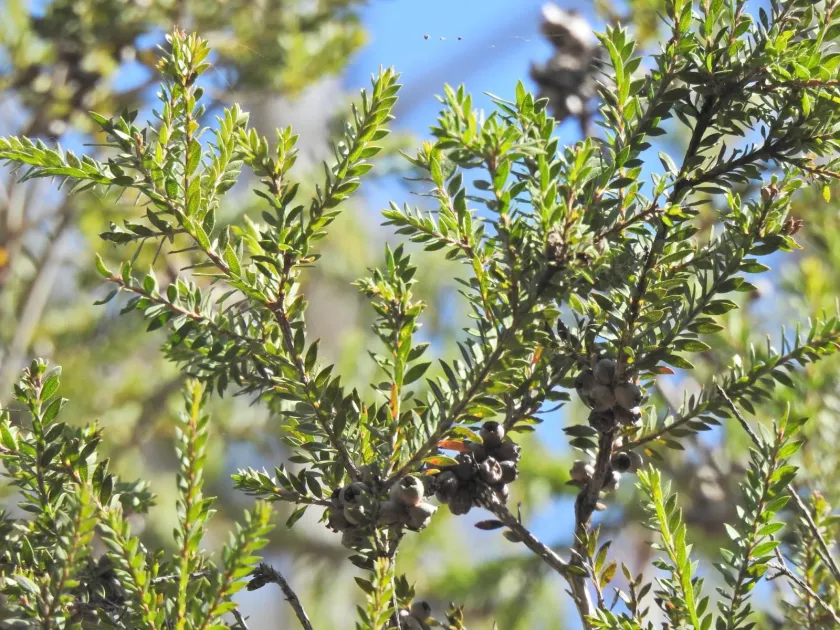
Botanically, the species is recognized by its unique papery bark that peels off in thin layers, which is a common trait among many Melaleuca species. The foliage consists of narrow, lanceolate leaves, and the flowers are arranged in characteristic spikes that resemble bottle brushes, typically appearing in shades of white or cream.
The cultural requirements for this species focus primarily on soil composition and moisture management. It thrives best in acidic to neutral soils with good aeration. While it is highly adaptable to wet feet, it performs best when the drainage is adequate to prevent the development of root rot in stagnant water.
Sunlight exposure is crucial for the health and development of Melaleuca sieberi. The plant requires full sun to maintain a compact, healthy growth habit and to encourage a prolific blooming season. It should be planted in a location that receives consistent light throughout the day.
Climate tolerance is a limiting factor for this species, as it is native to subtropical regions. It lacks frost tolerance and is susceptible to damage in cold climates. Therefore, cultivation in temperate zones is usually restricted to protected environments, such as greenhouses or conservatories during the winter months.
Main diseases and pests
Common pests that affect Melaleuca sieberi include sap-sucking insects such as scale insects, mealybugs, and aphids. These pests often congregate on the tender young growth, causing significant stress to the plant and potential stunted growth if left unmanaged.
Pathogenic fungi present a significant risk, especially in conditions of poor air circulation and high humidity. Leaf spot diseases and root rots are frequent occurrences when the plants are grown in overcrowded conditions or in poorly drained soil substrates.
Integrated pest management (IPM) is highly recommended to keep the plants healthy. Regular monitoring for early signs of infestation allows for timely intervention using horticultural oils or systemic insecticides, which are often effective at controlling populations before they reach damaging levels.
Cultural practices such as proper pruning are essential for reducing disease risk. Removing dead or crossing branches improves airflow through the canopy, which effectively reduces the humidity levels that favor fungal spore germination and development.
Soil health plays a pivotal role in the plant's natural defense against soil-borne pathogens. Maintaining a balanced nutritional profile through appropriate fertilization helps the tree develop stronger vascular tissues, making it more resilient to the environmental stressors that often invite pests and diseases.