
Melaleuca pustulata
Melaleuca pustulata
Description
Growing requirements
Melaleuca pustulata is a woody shrub belonging to the Myrtaceae family, widely recognized for its adaptation to specific ecological niches in its native Australia. It is increasingly studied for its horticultural and potential commercial value.
This species requires well-drained, sandy or gravelly soils to thrive. It is highly adapted to arid and semi-arid conditions, demonstrating significant resilience to seasonal water scarcity and high solar radiation.
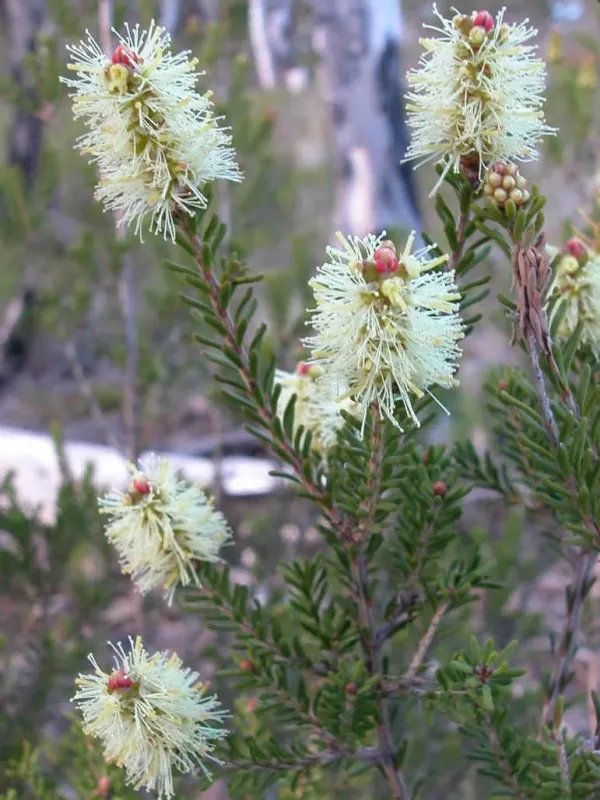
Botanically, the shrub is characterized by its small, dense leaves and unique flower clusters, which are typical for the genus Melaleuca. The plant exhibits a slow to moderate growth rate, depending on the availability of nutrients in the substrate.
Regarding cultivation requirements, the plant demands full sun exposure. It does not tolerate prolonged frost, requiring a stable temperate or subtropical climate for optimal development throughout the growing season.
In terms of хозяйственное (economic) use, the plant is primarily cultivated for landscaping purposes due to its aesthetic appeal. Research into its chemical profile also suggests potential applications in the essential oil industry.
Main diseases and pests
The primary threat to the health of Melaleuca pustulata is fungal pathogens, which typically manifest in nurseries or fields with poor water drainage and inadequate soil aeration.
Pest pressure often comes from sap-sucking insects, such as scale insects or spider mites, which can weaken the shrub during the warmer months of the active growth period.
Preventive measures include implementing proper irrigation protocols to avoid moisture saturation at the root collar, which is critical to prevent root rot diseases.
Sanitation practices, including the removal of deadwood and infected foliage, are essential for maintaining the overall health and vigor of the plant population.
Integrated pest management strategies are recommended to keep damage below economic thresholds, ensuring the long-term sustainability of the plantation.