
Melaleuca pallida
Melaleuca pallida
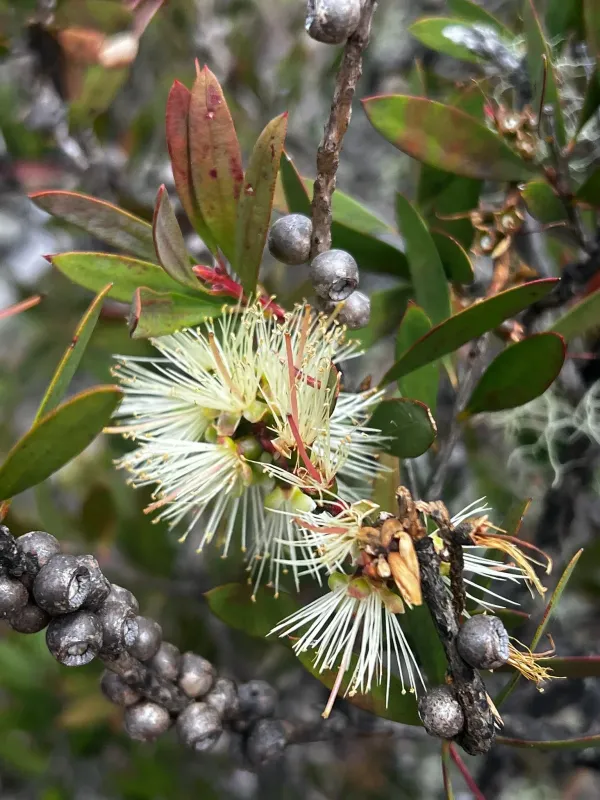
Description
Growing requirements
Melaleuca pallida, commonly known as the pale bottle brush, belongs to the Myrtaceae family. This evergreen shrub or small tree is native to Australia and is recognized for its unique, spike-like inflorescences that attract various pollinators, especially native bees and nectar-feeding birds.
The plant thrives in well-drained, sandy or loamy soils. It is remarkably drought-tolerant once established but requires consistent irrigation during the first stages of growth to ensure the development of a robust root system capable of sustaining the plant in diverse environments.
Full sun exposure is preferred for optimal flowering and dense foliage. While it can tolerate mild frost, it is primarily suited to warm climates and should be sheltered from harsh winter winds to prevent tissue damage and ensure long-term vitality.
Agricultural management involves mulching to maintain soil temperature and moisture. Fertilization should be handled with care, as many Melaleuca species are sensitive to high phosphorus levels; using fertilizers specifically formulated for native Australian flora is highly recommended.
In landscape design, this shrub is utilized for ornamental purposes, acting as a windbreak or a focal point in xeriscaping projects. Its ability to tolerate varying soil conditions makes it a versatile choice for sustainable gardening and urban landscaping initiatives.
Main diseases and pests
Spider mites and scale insects are common pests that target Melaleuca pallida, particularly when plants are under water stress. Regular monitoring of the underside of leaves is necessary to catch infestations before they cause significant defoliation.
Root rot caused by Phytophthora species is a major threat if the soil remains waterlogged for extended periods. Ensuring superior drainage is the most effective preventative measure against this lethal fungal infection.
Leaf spot diseases may occur in regions with high humidity or poor air circulation. Pruning the inner branches to improve airflow is a critical maintenance practice that helps keep the foliage dry and minimizes the environment suitable for fungal growth.
Borers can sometimes affect the woody stems of the plant, weakening the structure and leading to branch dieback. Early detection by observing small holes or frass on the bark can help save the plant through timely intervention and removal of affected wood.
Integrated pest management, including the encouragement of natural predators like ladybugs, can significantly reduce the need for synthetic chemical applications. Keeping the plant vigorous through proper watering and nutrition is the first line of defense against both pests and pathogens.