
Melaleuca hybrids
Melaleuca hybrids
Description
Growing requirements
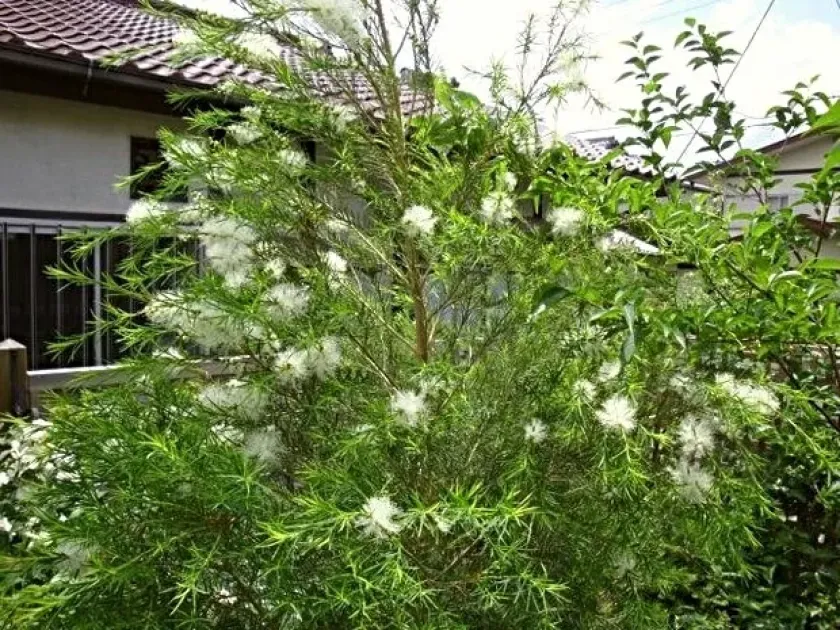
Melaleuca hybrids are evergreen woody plants belonging to the Myrtaceae family. These varieties are the result of selective breeding designed to enhance the production of specific essential oils and increase the plant's resilience to various environmental stresses.
Originating from the diverse habitats of Australia, these plants are now widely cultivated in tropical and subtropical regions. They thrive in climates characterized by mild winters and high moisture levels, requiring constant protection from frost to maintain healthy vegetative growth.
The cultural requirements dictate a well-draining soil profile with a slightly acidic to neutral pH. While the plants are naturally adapted to wetlands, they require consistent soil moisture and protection from wind damage, which can desiccate the foliage if the air is too dry.
Successful management involves regular fertilization with nitrogen-based nutrients during the growing season and periodic pruning. This practice ensures better branch density and promotes the development of foliage, which is the primary raw material for industrial oil extraction.
The economic value of Melaleuca hybrids lies in their high concentration of bioactive compounds. These are utilized globally in the manufacture of disinfectants, medicinal skin products, and fragrances, making the cultivation of these hybrids a specialized and profitable agricultural enterprise.
Main diseases and pests
Root rot caused by pathogenic fungi such as Phytophthora species is the most significant threat to the crop. Proper field drainage and avoiding over-irrigation are critical management strategies to prevent these soil-borne diseases.
Pest pressures often include sap-sucking insects like mealybugs and scale insects. These pests can severely weaken the plant and reduce oil yield, necessitating an integrated pest management approach including both biological control and timely application of targeted insecticides.