
Melaleuca formosa
Melaleuca formosa
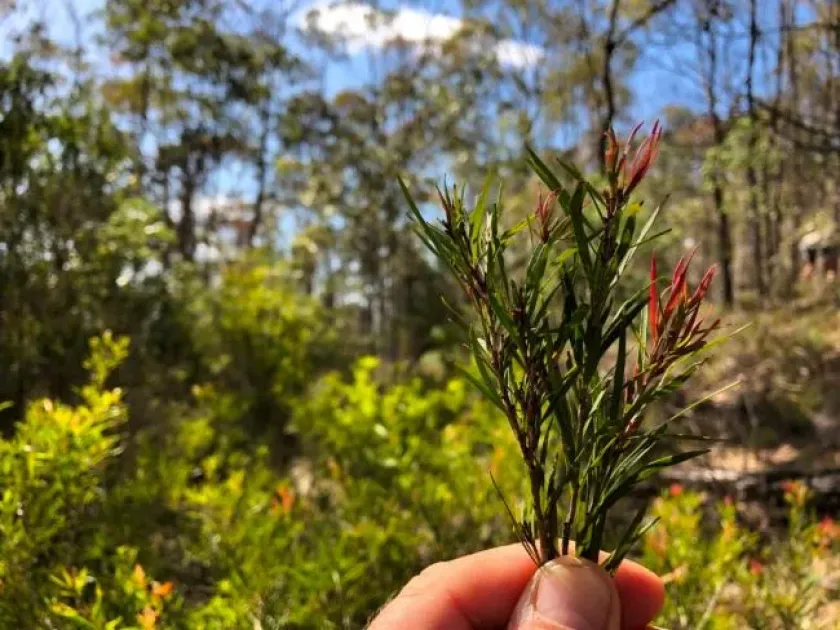
Description
Growing requirements
Melaleuca formosa is a distinct evergreen shrub belonging to the Myrtaceae family. Native to Australia, this plant is highly regarded in horticulture for its aesthetic value and unique, brush-like flowers that bloom in vibrant arrays during the growing season.
The cultivation of this species requires specific environmental conditions, primarily abundant sunlight. It thrives best in full sun, which is essential for maintaining a compact growth habit and ensuring prolific flowering throughout the year.
Regarding soil preferences, Melaleuca formosa requires well-draining substrates to prevent root asphyxiation. Heavy clay soils should be amended with organic matter and drainage materials to ensure the root zone remains aerated and free from stagnant water.
This crop is suited for tropical and subtropical climates and has limited cold hardiness. In regions prone to frost, it is commonly cultivated in containers and moved to protected environments, such as greenhouses, during the dormant winter period.
Water management is critical during the establishment phase, as young plants require consistent moisture. Once matured, the plant shows moderate drought tolerance, although supplemental irrigation is recommended during extended hot and dry periods.
Main diseases and pests
The most significant pathological threat to the crop is root rot, typically caused by fungal pathogens such as Phytophthora. This usually occurs due to poor soil drainage and waterlogging, leading to rapid decline and potential plant loss.
Insect pests, including spider mites and scale insects, often infest the foliage, especially in indoor settings with low relative humidity. These pests suck sap from the plant, causing stunted growth and leaf chlorosis.
Mealybugs can also pose a threat by colonizing the stem nodes and foliage underside. Their presence often leads to the development of sooty mold, which impairs the plant's photosynthetic capacity by blocking light exposure.
Fungal leaf spots may occur if air circulation around the plant canopy is insufficient. Proper pruning and spacing are essential strategies to reduce moisture accumulation on the leaves and prevent the spread of fungal spores.
Regular monitoring and the use of appropriate horticultural oils or systemic insecticides are recommended as part of an integrated pest management program to maintain the health and vigor of the Melaleuca plants.