
Brazilian red-cloak
Megaskepasma erythrochlamys
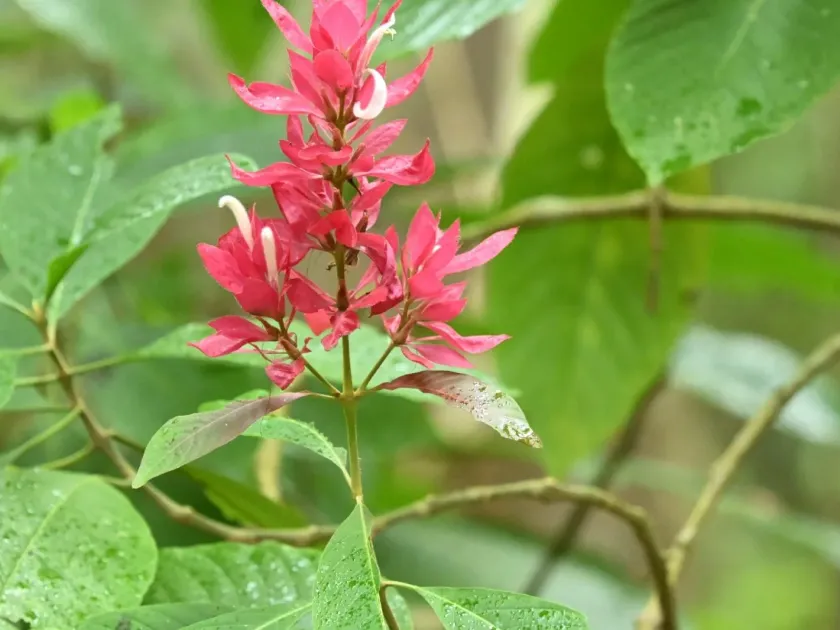
Description
Growing requirements
Brazilian red-cloak (Megaskepasma erythrochlamys) is a robust evergreen shrub belonging to the Acanthaceae family. This species is native to the tropical forests of Central and South America, particularly Venezuela, where it flourishes in hot and humid environments.
The cultivation of this plant requires a tropical climate with temperatures consistently ranging between +20°C and +28°C. It is extremely sensitive to cold temperatures and frost, necessitating cultivation in greenhouses or temperature-controlled conservatories in non-tropical regions.
Proper soil management is crucial for the development of Megaskepasma. It thrives in well-draining, nutrient-rich soils with a slightly acidic to neutral pH. A mixture consisting of peat, bark, and perlite is often recommended to maintain ideal moisture levels while providing necessary aeration.
Maintenance practices involve consistent irrigation and high humidity levels. During the active growing season, regular fertilization with a balanced, water-soluble fertilizer promotes the development of its signature large, dark green leaves and vibrant red inflorescences.
Pruning is an essential agrotechnical measure for this crop. Regular thinning of the branches helps in maintaining the shape and encourages more dense branching, which results in a more profuse display of flowers in subsequent seasons.
Main diseases and pests
The primary pests affecting Megaskepasma are spider mites and scale insects, which often thrive in indoor conditions where air circulation might be insufficient and humidity fluctuates.
Mealybugs are another common threat, as they tend to hide in the axils of the leaves, making them difficult to detect until the plant starts showing signs of stunted growth.
Root rot, caused by fungal pathogens such as Pythium, is a significant threat associated with poor drainage and overwatering, often leading to sudden wilting of the foliage.
Maintaining high hygiene standards in the greenhouse, such as removing dead leaf litter and keeping tools sterilized, significantly reduces the probability of disease outbreaks.
If chemical control is required, it is advised to use selective systemic insecticides that target sucking insects while being mindful of the plant's delicate foliage, which can be sensitive to certain oil-based sprays.