
Meconopsis betonicifolia
Meconopsis betonicifolia
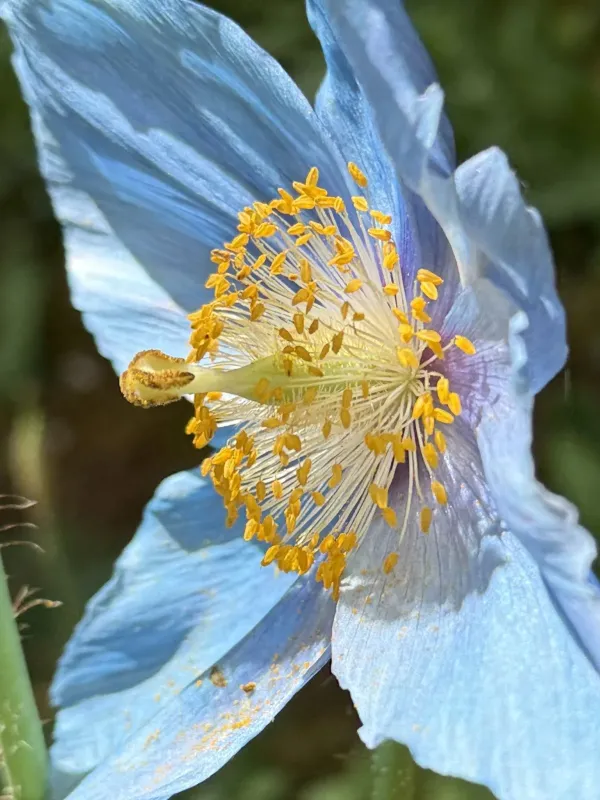
Description
Sowing dates
Sowing seeds of Meconopsis betonicifolia requires strict adherence to timing, as the species benefits greatly from cold stratification. The best period for sowing is late winter or early spring to ensure the seedlings are robust before the onset of summer heat.
Seeds should be sown in a light, well-draining substrate rich in peat or perlite, and they should not be buried deep, as light is essential for germination. Covering the container with plastic wrap helps maintain the necessary humidity levels.
Germination is often irregular, which is a natural characteristic of the species. It is crucial to maintain a cool environment, ideally between 12 and 15 degrees Celsius, as overheating can prove fatal to the young sprouts.
Pricking out should be done once the first true leaves have developed, taking great care to keep the root ball intact. Transplantation into the garden should be performed after the risk of frost has passed, preferably on a cloudy day.
For better results, gardeners often practice winter sowing in cold frames, which provides a natural stratification process and helps the young plants acclimatize to outdoor conditions from the very beginning.
Growing requirements
Meconopsis betonicifolia, a member of the Papaveraceae family, originates from the mountainous regions of the Himalayas, which dictates its specific environmental needs. It thrives best in cool, humid climates and struggles in hot, arid conditions.
An ideal planting site offers partial shade, protected from intense noon sunlight and strong winds. The soil must be loose, slightly acidic, rich in organic matter, and feature excellent drainage to prevent root rot caused by waterlogging.
Consistent soil moisture is the cornerstone of its cultivation, though it must be balanced carefully to avoid excessive wetness. During dry spells, light misting can help increase the ambient humidity around the foliage.
Applying mulch around the base of the plant using compost or pine needles is a critical agricultural measure. This protects the roots from extreme temperatures and keeps the soil moisture levels stable throughout the growing season.
In regions with harsh winters, a light covering of evergreen boughs is recommended. However, ensuring proper air circulation is essential to prevent the leafy rosette from rotting during the damp winter months.
Main diseases and pests
Fungal diseases represent the most significant threat to Meconopsis, especially in environments with poor air circulation or stagnant moisture. Powdery mildew and various forms of root rot are common issues in unhealthy soil conditions.
Slugs and snails are the primary pests, capable of inflicting severe damage on the delicate foliage. Regular monitoring and the implementation of physical barriers or targeted control measures are necessary to protect the plant.
Improper soil pH levels frequently lead to nutrient deficiencies and chlorosis. Monitoring plant health and applying specialized fertilizers for acid-loving plants can help prevent these physiological disorders.
Aphids may occasionally attack tender shoots, draining the plant of vital nutrients and weakening its resistance. Biological control agents are preferred to keep insect populations in check without damaging the surrounding ecosystem.
Proper spacing is vital for the health of the plant, as it allows for optimal airflow and reduces the risk of spreading infections. Avoiding overcrowding in the flower bed ensures that each plant has enough resources to thrive.