
Maurandya scandens
Maurandya scandens
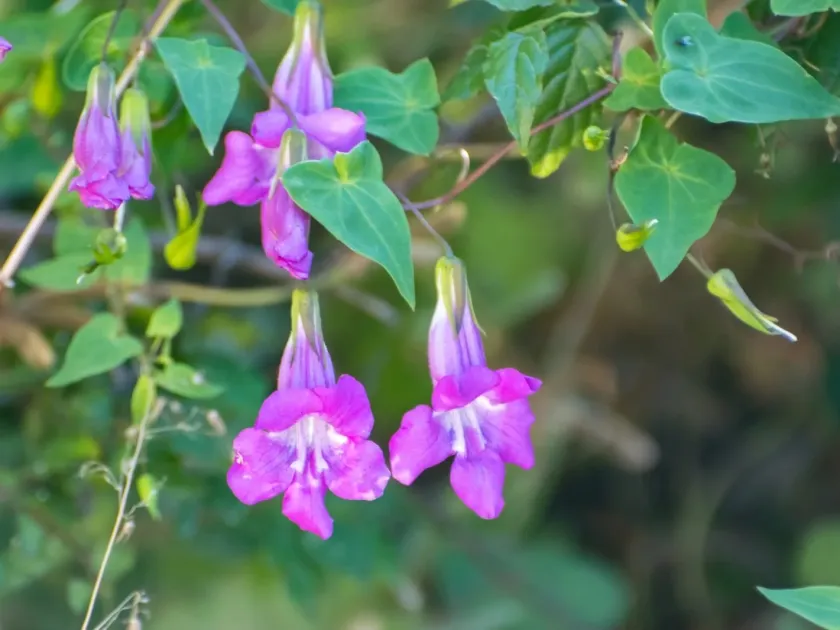
Description
Sowing dates
Maurandya scandens is a perennial herbaceous climber belonging to the Plantaginaceae family. In temperate climates, it is typically cultivated as an annual ornamental vine, prized for its vigorous growth and ability to cover fences, trellises, and other vertical surfaces quickly.
Sowing should be done indoors in late winter or early spring, as the plant has a slow initial growth rate. Seeds should be sown on the surface of high-quality seed-starting mix without covering them, as they require light to germinate effectively and should be kept in a humid environment.
Maintaining a temperature of +20 to +22 degrees Celsius is crucial for consistent germination. Once seedlings emerge, they should be moved to a well-lit location to prevent leggy growth and ensure the development of sturdy stems, which are essential for the plant's structural integrity.
Pricking out or transplanting should occur once the first set of true leaves develops. It is imperative to keep the young plants in individual containers until all danger of frost has passed, as the species is highly susceptible to cold injury and requires stable, warm temperatures to thrive.
Gradual hardening off is a recommended practice before moving the plants to their permanent outdoor location. Acclimating the vines to outdoor conditions over the course of two weeks reduces transplant shock and allows the root system to establish itself effectively in the new growing medium.
Growing requirements
Maurandya scandens requires a sunny position protected from strong winds that can damage the delicate stems and petioles. Providing adequate climbing support, such as nets, wire grids, or string trellises, is essential for the vine to climb and display its flowers properly throughout the season.
The soil must be fertile, well-draining, and rich in organic matter. While the plant appreciates consistent moisture, it is vital to avoid waterlogged soil, as this can lead to root rot; adding sand or organic compost can help improve soil aeration and structure for optimal growth.
Regular but moderate watering is necessary during the active growing season. During the peak flowering period, applying a balanced liquid fertilizer every two weeks will promote more profuse blooming and maintain the deep green color of the foliage throughout the long summer months.
Mulching the base of the plant helps retain soil moisture and keeps the roots cool, which is beneficial in hotter regions. This practice reduces the frequency of irrigation required and helps suppress weeds that might compete with the vine for essential nutrients and water resources.
Pinching the growing tips of the main vines encourages lateral branching, leading to a denser and more floriferous habit. This simple pruning technique is highly recommended for creating lush, vertical displays and ensuring the vine covers the intended structure uniformly and attractively.
Main diseases and pests
The most common pests affecting Maurandya scandens include aphids, spider mites, and whiteflies. These insects can cause stunted growth, leaf yellowing, and deformation of the young shoots, necessitating regular monitoring and timely intervention to keep the infestation levels manageable.
Using horticultural soaps, neem oil, or appropriate systemic insecticides can effectively manage these pest populations. Checking the undersides of the leaves frequently is a proactive measure that helps in identifying and controlling pests before they cause widespread damage to the climbing vine.
Diseases in this species are often related to excessive moisture or poor air circulation, which can trigger fungal issues such as powdery mildew. Proper spacing between plants and careful watering methods, avoiding overhead irrigation in the evenings, are critical to preventing disease development.
If fungal infections appear, infected plant parts should be removed and disposed of to prevent the spread of spores. Application of targeted fungicides may be necessary in severe cases to restore the plant's health and maintain its aesthetic value throughout the growing season.
Overall, keeping the plant healthy through optimal nutrition and correct site selection is the best defense against pathogens. A vigorous, well-cared-for Maurandya scandens is significantly more resilient and will continue to perform beautifully until the end of its life cycle in autumn.