
Ostrich fern
Matteuccia struthiopteris
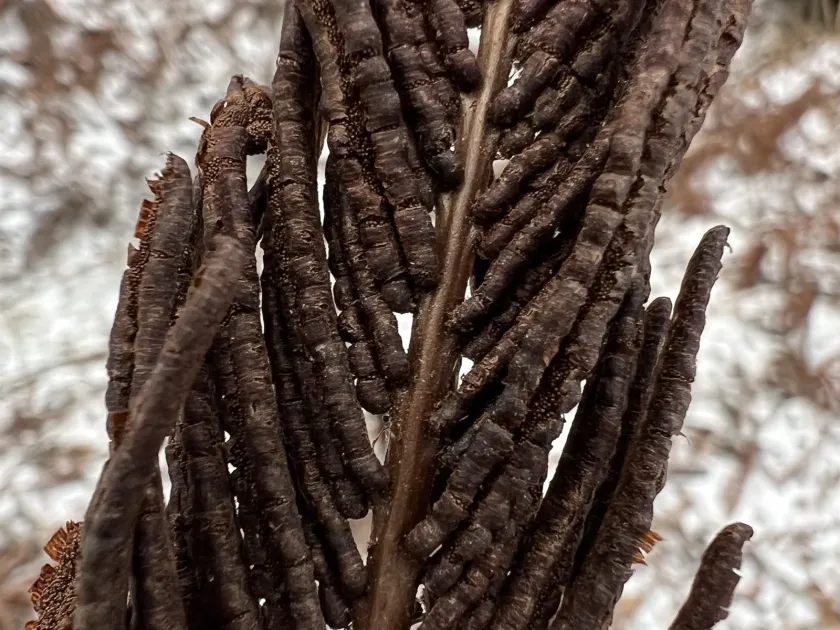
Description
Sowing dates
The ostrich fern, scientifically known as Matteuccia struthiopteris and belonging to the Onocleaceae family, is primarily propagated through vegetative division. The best time to divide the rhizomes is in early spring, just before the new fronds begin to unfurl.
While propagation via spores is possible, it is a complex and slow process usually reserved for breeding programs. For commercial production, dividing existing clumps is the standard and most reliable method to establish a healthy plantation quickly.
When planting, spacing should be set at approximately 50 to 60 centimeters apart. This spacing allows the underground stolons sufficient room to spread, enabling the plant to colonize the area effectively over time.
Rhizomes should be planted at a depth of 5 to 10 centimeters. Ensuring the soil is moist at the time of planting is critical to support the initial establishment of the root system and to prevent transplant shock.
Selecting the right site is crucial for successful cultivation. The location must offer partial shade to protect the delicate fronds from direct sunlight, which can lead to scorch and damage the plant's health.
Growing requirements
Ostrich ferns require high soil moisture and thrive in environments with good humidity. They prefer rich, humus-laden, and slightly acidic soil that retains water without becoming waterlogged.
Regular irrigation is essential, particularly during dry spells. If the soil dries out completely, the fronds will lose their vigor and the plant will struggle, ultimately impacting the quality and quantity of the fiddlehead harvest.
The plant is exceptionally hardy, capable of surviving harsh winters and temperatures well below freezing. This makes it an excellent choice for northern climates where other vegetable crops might struggle to survive.
Mulching the soil around the base of the plants with organic matter, such as leaf mold or compost, is highly recommended. This practice mimics the natural forest floor, helps retain moisture, and suppresses weeds.
Fertilization should be handled carefully, as ferns are sensitive to synthetic chemicals. A top-dressing of well-rotted manure or compost in the spring provides the necessary nutrients for vigorous growth throughout the season.
Yield
The primary agricultural product derived from the ostrich fern is the young, curled fronds, commonly known as fiddleheads. These are a prized culinary delicacy and are valued for their unique texture and nutritional content.
Yields are dependent on the density of the planting and the health of the rhizome network. A well-established patch can provide a consistent harvest for many years if managed sustainably.
Sustainable harvesting is a core principle. Harvesters should never take all the fiddleheads from a single plant, as the fern needs the majority of its fronds to photosynthesize and store energy for the following year's growth.
Generally, removing no more than 30% of the fiddleheads per plant is recommended to ensure the long-term survival and productivity of the colony. Overharvesting can lead to the decline of the patch.
The production cycle requires efficient post-harvest handling. Fiddleheads must be processed or refrigerated immediately after collection to maintain their freshness, as they deteriorate quickly at room temperature.
Main diseases and pests
Ostrich ferns are generally disease-resistant, provided they are grown in optimal conditions. Excessively damp or stagnant air can occasionally lead to the development of gray mold or other fungal issues.
Slugs and snails are the most common pests, as they feed on the succulent young fiddleheads. Using natural barriers or traps is preferred over chemical interventions to maintain the organic quality of the crop.
Aphids can occasionally infest the plants during prolonged dry weather. However, the damage is typically minor and can be managed with insecticidal soaps or by encouraging natural predators.
Preventative maintenance is the best defense. This includes ensuring adequate airflow between plants, removing dead debris, and keeping the planting area free of invasive perennial weeds that compete for nutrients.
Crop rotation or moving the production site periodically is not usually required for these perennial ferns, but maintaining soil health through regular organic amendments is vital to prevent long-term depletion.
Harvesting
Harvesting takes place in early spring, precisely when the fiddleheads have emerged but have not yet begun to unfurl. The ideal length is between 10 and 15 centimeters.
Using a sharp knife, the fiddleheads are cut at the base. Great care must be taken to ensure the crown of the plant is not damaged, as this is the primary center for future development.
Regular monitoring of the patch during the short harvest season is necessary to catch the fiddleheads at their peak quality. Waiting even a day too long can result in the fronds becoming woody and unpalatable.
Once harvested, the fiddleheads should be cleaned of any brown papery scales. They are then placed in cool, ventilated storage until they can be prepared for market or preservation.
Commercial preparation usually involves blanching the fiddleheads in boiling water. This process destroys potential enzymes and ensures the safety and quality of the product for culinary use.