
Ostrich fern
Matteuccia
Description
Sowing dates
Ostrich fern is primarily propagated through vegetative division, as spore-based reproduction is a slow and complex commercial process. The best time to divide the clumps is in early spring or autumn when the plant enters dormancy, ensuring minimal stress to the root system.
To prepare planting material, runners or side shoots are separated from the main rhizome. Each section should ideally retain a healthy portion of the root mass and some original soil to facilitate quick establishment in the new plot.
The planting site requires deep, loose, and fertile soil. Rows should be spaced 60–80 cm apart, allowing the plants enough room to expand through their underground stolons. Proper spacing is essential for sustainable plantation management.
After planting, consistent moisture is mandatory for the first few months. Mulching the area with organic materials, such as compost or leaf mold, helps retain soil moisture and prevents unwanted competition from weeds.
Regular monitoring of young plantations is critical. Providing supplemental irrigation during dry spells in the first growing season significantly improves survival rates and promotes vigorous leaf development.
Growing requirements
The Ostrich fern (Matteuccia struthiopteris) is a perennial plant of the Onocleaceae family. It naturally thrives in moist, shaded environments, typically found in alluvial forests, floodplains, and near streams in the temperate regions of the Northern Hemisphere.
The plant demands high soil moisture and rich, loamy conditions. It is intolerant of drought; prolonged dry periods will lead to premature browning and wilting of the fronds, which adversely affects both aesthetic value and potential crop harvest.
Light levels should be carefully managed. While the Ostrich fern can tolerate some dappled light, deep shade or partial shade is optimal to prevent leaf scorching and to maintain the deep green, lush appearance of the foliage.
It is a highly hardy species, capable of surviving severe winters. It prefers neutral to slightly acidic soils. If the soil is heavy clay, the addition of organic matter is necessary to ensure proper drainage while maintaining the moisture-retentive quality of the substrate.
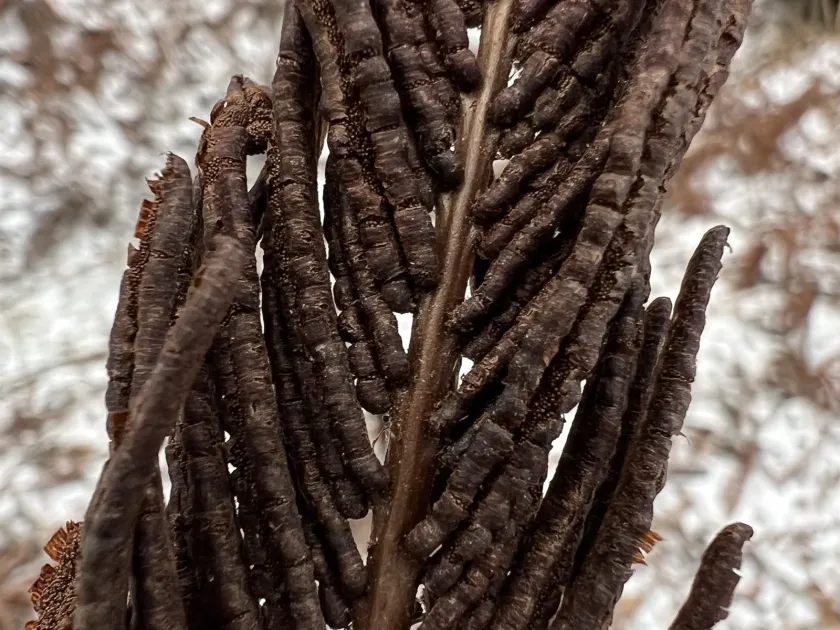
Botanically, it displays dimorphic foliage: large, sterile vegetative fronds arranged in a vase-like rosette, and fertile, brown, plume-like fronds that emerge from the center, which give the plant its characteristic ostrich-feather appearance.
Yield
The main commercial product harvested from Ostrich fern is the young, tightly coiled shoot known as a fiddlehead. These are harvested in the spring before the fronds begin to unfurl and become woody.
Sustainable harvesting is key to productivity. A healthy, mature plant can support the removal of a limited number of fiddleheads without compromising its health. It is recommended to leave at least 50% of the shoots to ensure the plant can photosynthesize for the season.
Yields are highly dependent on the fertility of the soil and water availability during the early spring growth phase. Intensive plantations can produce significant quantities of high-value specialty produce within a short window of time.
In addition to fiddleheads, the species is highly valued in the nursery industry. Producing and selling high-quality divisions for ornamental landscaping serves as a profitable diversification strategy for many fern growers.
Post-harvest management is crucial for yields. Because fiddleheads are highly perishable, they must be processed, chilled, or sold immediately to maintain their market value and delicate texture.
Main diseases and pests
Ostrich ferns are relatively resistant to major agricultural diseases. However, in poorly drained or waterlogged soils, root rot can occur. Ensuring proper site selection and soil drainage is the best prophylactic measure against fungal pathogens.
Slugs and snails are the primary pests that damage the succulent fiddleheads during the spring. Implementing physical barriers or eco-friendly baiting systems around the plantation is often necessary during wet, cool weather conditions.
In overcrowded conditions, poor air circulation can lead to foliar diseases such as powdery mildew or leaf spots. Maintaining adequate spacing and removing old, decaying debris at the end of the season helps mitigate these threats.
Pests such as aphids may occasionally congregate on the tips of new fronds, but this is usually minor and rarely warrants chemical intervention. Monitoring and biological control methods are preferred over broad-spectrum pesticides.
Consistent monitoring and maintaining a clean growing area are the most effective ways to ensure a healthy plantation. Timely removal of affected plant parts prevents the spread of opportunistic infections.
Harvesting
Harvesting fiddleheads is a labor-intensive, manual process. Shoots are hand-cut close to the base, ensuring that the main crown of the plant is not damaged, as this is where next year's growth will originate.
Only the tight, firm coils are selected for the market. Once the shoot begins to expand or its scales have shed significantly, it is considered past the optimal harvest stage and is usually discarded or left to mature.
Harvested fiddleheads must be cleaned of their brown, papery scales. This is often done using a brush or a gentle wash. Once cleaned, the product must be kept in cold storage at near-freezing temperatures to prevent rapid oxidation and textural degradation.
Safety is a priority: harvested Ostrich fern fiddleheads must always be thoroughly cooked before consumption to eliminate any naturally occurring compounds that could cause digestive upset if eaten raw.
Logistics are vital. The shelf life of fresh fiddleheads is very short, often measured in days. Successful producers establish local supply chains to ensure the product reaches the consumer or processing facility within 24–48 hours of harvest.