
Small-flowered Martiodendron
Martiodendron parviflorum
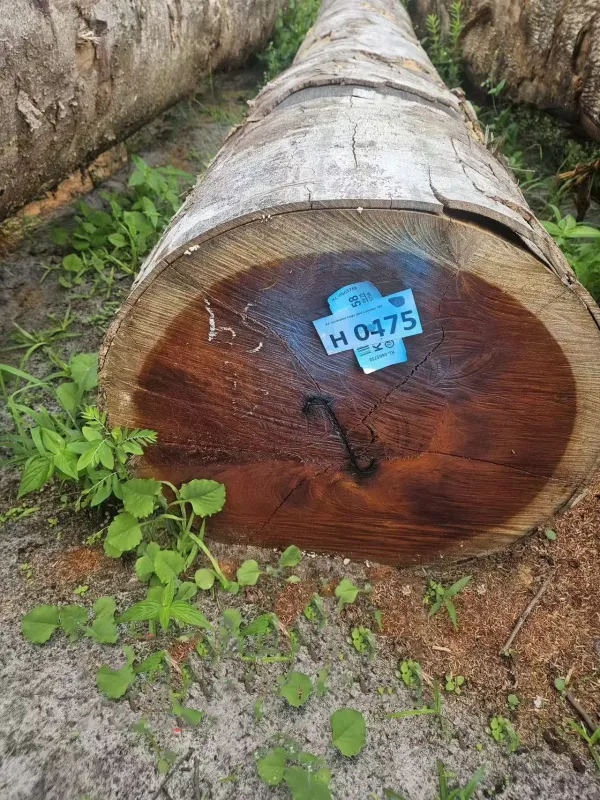
Description
Growing requirements
Martiodendron parviflorum is a notable tree species belonging to the Fabaceae family, native to the tropical forests of South America. It is recognized for its robust growth and ecological significance within its natural range.
The cultivation of this species requires deep, fertile soils that provide excellent drainage. Like many tropical legumes, it thrives in environments with high humidity and consistent moisture levels throughout the growing season.
Climate requirements involve high temperatures throughout the year, as the species is intolerant of frost or significant cold snaps. It performs best in areas where annual rainfall is abundant and well-distributed.
Regarding agrotechnology, planting should be conducted in cleared areas that allow for adequate light penetration. Although the tree is somewhat tolerant to shade, it grows significantly faster when exposed to direct sunlight for a portion of the day.
Seed germination is best achieved under controlled nursery conditions. Keeping the substrate temperature steady at approximately 25 to 30 degrees Celsius is essential for successful seedling establishment and early development.
Yield
The primary economic value of Martiodendron parviflorum lies in its high-quality timber. The wood is dense, durable, and highly valued for various construction and fine woodworking applications.
Managed plantations can achieve significant biomass production compared to slower-growing hardwood species. Its ability to fix nitrogen in the soil provides a distinct advantage, naturally improving soil fertility.
Harvesting efficiency depends on initial spacing. Providing each tree with enough space prevents the formation of lower branches, which ensures a cleaner, more valuable trunk structure for future harvesting.
When integrated into agroforestry systems, this tree helps stabilize slopes and improve the water retention capacity of the land, providing long-term benefits beyond simple wood production.
Ongoing research focuses on selecting superior genotypes for faster rotation cycles. This approach aims to maximize timber output while maintaining the ecological health of the plantation site.
Main diseases and pests
Common threats to the health of these trees include various fungal infections, particularly those affecting the root system. Proper site preparation and soil drainage are the most effective preventive measures.
Wood-boring insects can become a significant issue in stressed plantations. Integrated pest management, focusing on early detection and physical barriers, is recommended for effective control.
Environmental stress caused by extreme drought can significantly hinder the survival rates of young plants. Mulching is highly recommended to retain soil moisture during the first years of growth.
Nutrient deficiencies, specifically in essential macro-elements, can lead to stunted growth. Periodic soil testing and the application of balanced organic fertilizers are necessary for optimal vitality.
Anthropogenic factors, including habitat degradation, threaten natural populations. Establishing sustainable plantations reduces the demand for wild-harvested timber, aiding in the overall conservation of the species.