
Martiodendron excelsum
Martiodendron excelsum
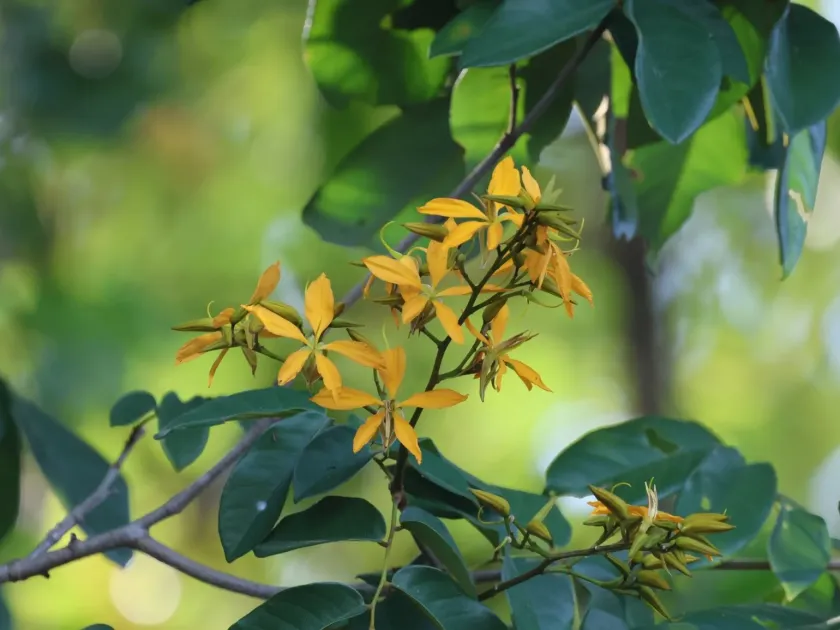
Description
Growing requirements
Martiodendron excelsum is a prominent tropical tree species belonging to the Fabaceae family. It is native to the lush tropical rainforests of South America, where it thrives in warm and humid environmental conditions.
The climate requirements for this species are strict, necessitating high year-round temperatures and consistent atmospheric humidity. It is completely intolerant of frost, which limits its commercial cultivation to specific tropical zones.
Regarding soil conditions, this tree prefers deep, well-draining soils that provide adequate nutrition and aeration. While it is adaptable to various tropical soils, waterlogging must be avoided to prevent root damage.
Light intensity plays a critical role in the growth cycle of Martiodendron excelsum. While seedlings can tolerate partial shade in the understory, mature trees require significant solar exposure to maximize their growth potential and biomass production.
Successful silviculture of this species involves site selection with proper drainage and the management of surrounding vegetation to minimize resource competition during the establishment phase.
Yield
Martiodendron excelsum is highly valued for its dense, durable wood, which is utilized in high-end construction and furniture manufacturing. Its economic importance lies in the high-quality timber it produces after reaching maturity.
The yield of this crop is measured by the volume and quality of timber harvested over decades of growth. Proper management strategies ensure the development of straight, high-density trunks suitable for industrial applications.
As a member of the legume family, the tree may provide additional benefits to the surrounding ecosystem, including potential soil nitrogen fixation, which supports long-term forest productivity.
Sustainable harvesting practices are essential to maintain the productivity of plantation forests. Monitoring growth rates allows foresters to optimize the rotation cycle for economic gain while preserving the tree's health.
The aesthetic and physical properties of the wood make it a sustainable choice for specialized applications, provided that the plantation management adheres to strict environmental standards.