
Marsupella funckii
Marsupella funckii
Description
Growing requirements
Marsupella funckii is a liverwort species belonging to the Gymnomitriaceae family. Unlike traditional crops, it is not cultivated for agricultural production; however, it is significant in botanical and ecological research regarding pioneer plant species.
This species is predominantly found in mountainous regions across Europe. It thrives in habitats where other plants struggle to survive, such as acidic rocks, gravelly areas, and open ground with minimal competition from higher vascular plants.
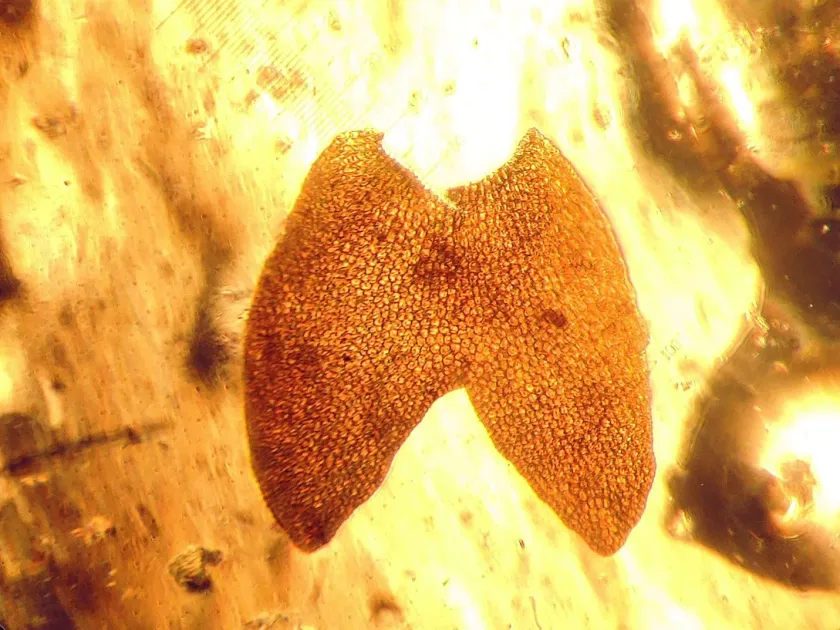
Botanically, Marsupella funckii forms dense, dark-colored mats or tufts. Its stems are characterized by closely packed leaves that help the plant retain moisture during dry spells, which is a critical adaptation for its survival in alpine environments.
Regarding climatic and soil requirements, this species favors cool, moist conditions with a distinctly acidic soil reaction. It is sensitive to alkaline substances, which is a primary reason it is absent from limed or fertilized agricultural soils.
Its role in the ecosystem is primarily that of a soil stabilizer and a primary colonizer. By anchoring itself to rocky surfaces through rhizoids, it contributes to the early stages of soil formation in harsh environmental conditions.
Main diseases and pests
The primary threats to Marsupella funckii are air and soil pollution. As a bryophyte, it lacks a protective cuticle, making it highly susceptible to toxic nitrogen compounds, heavy metals, and acid rain, which can rapidly damage its delicate tissue.
Human activities, such as excessive land development, mining, or large-scale agricultural use of fertilizers, disrupt its natural habitat. The introduction of synthetic chemicals alters the soil chemistry, creating an environment that is lethal to the moss colony.
Climate change poses an indirect threat by shifting the competitive balance between plant species. Warmer temperatures allow larger, more aggressive vascular plants to colonize areas previously occupied by liverworts, leading to the loss of their specific niche.
Mechanical destruction caused by overgrazing or land erosion is another major risk factor. Since the moss forms shallow, surface-level mats, any physical disruption to the ground cover can permanently remove the plant population from the site.
Conservation of this species requires monitoring of pristine environments and the prevention of nitrogen deposition. Agricultural interventions are not applicable, as preservation depends on maintaining undisturbed, nutrient-poor, and naturally acidic micro-habitats.