
Marsupella emarginata
Marsupella emarginata
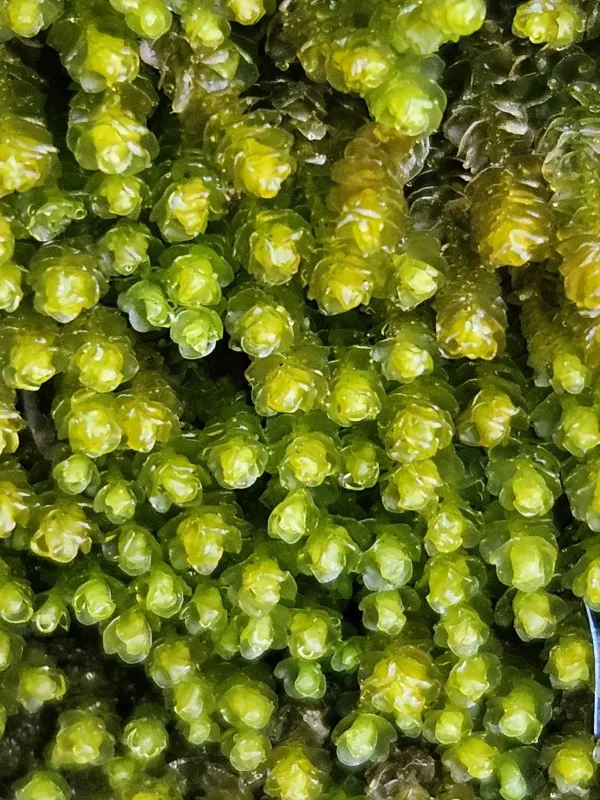
Description
Growing requirements
Marsupella emarginata is a liverwort belonging to the Gymnomitriaceae family. It is important to emphasize that this plant is not a commercial agricultural crop and possesses no significant value for large-scale farming or cultivation.
The plant originates from temperate and arctic regions of the Northern Hemisphere. It thrives in high-moisture environments, typically found on moist cliff surfaces, banks of mountain streams, and areas with perpetual water seepage.
Ecologically, the plant demands high humidity and protection from direct sunlight. It requires acidic soil substrates to maintain its metabolic processes and vegetative growth cycle throughout the season.
From a botanical perspective, the plant forms dense mats ranging from dark green to reddish-brown in color. Its leaves are distinctively bifid, featuring a characteristic notch at the apex that gives the species its specific name.
In terms of human use, the plant serves primarily as an indicator species for environmental monitoring. It is studied by bryologists to assess the ecological health and water quality of mountain ecosystems.
Main diseases and pests
The primary threats to Marsupella emarginata populations include habitat degradation caused by drainage projects, climate change resulting in drier microclimates, and pollution in alpine water sources.