
Mapania sumatrana
Mapania sumatrana
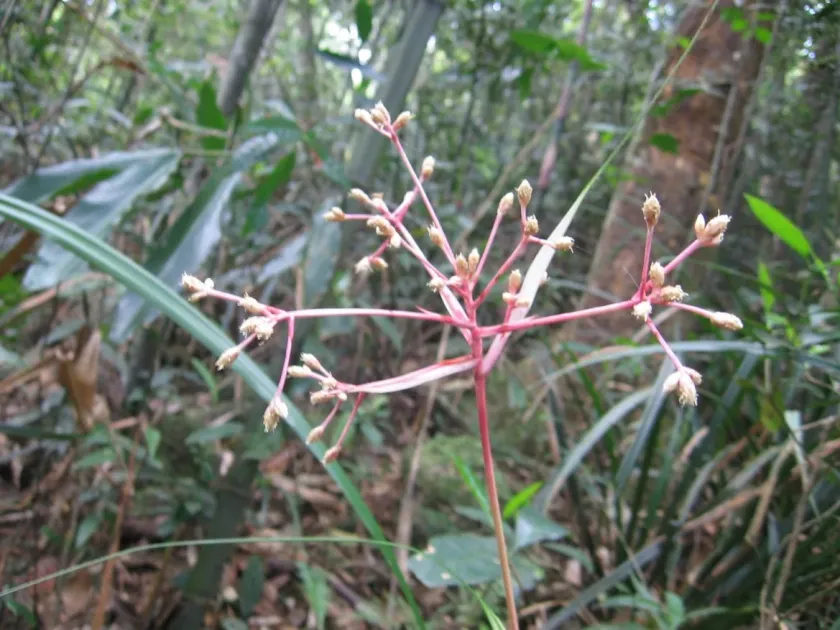
Description
Growing requirements
Mapania sumatrana is a perennial herbaceous plant belonging to the Cyperaceae family. Originating from the dense, humid rainforests of Southeast Asia, specifically Sumatra, it is a highly specialized species that thrives in the understory of primary forests.
To cultivate Mapania sumatrana successfully, a tropical microclimate is essential. The plant requires consistent temperatures between 20°C and 28°C and high relative humidity. It is sensitive to low humidity, which often causes the tips of the leaves to dry and brown.
The substrate should be rich in organic matter, slightly acidic, and well-draining. While the plant loves moisture, it cannot tolerate waterlogged roots, which can quickly lead to physiological stress and subsequent decline in health.
Botanically, it is characterized by dense rosettes of leathery, deep green, lanceolate leaves. These leaves can reach a significant length, forming a dramatic aesthetic statement. It is considered an excellent candidate for shade-tolerant indoor displays or tropical terrariums.
In terms of usage, the plant is primarily ornamental. It is favored by professional horticulturists and collectors for its architectural form and suitability for low-light tropical displays where other species might fail to flourish.
Main diseases and pests
The main threats to Mapania sumatrana include fungal leaf spots, which are usually induced by poor ventilation and high humidity. Ensuring proper airflow around the base and leaves is critical to maintaining plant vitality.
Pests such as spider mites and mealybugs are the most common adversaries in indoor or greenhouse settings. Spider mites are particularly problematic during drier seasons or in environments with insufficient humidity.
Root rot, often caused by overwatering or poor drainage, remains the most frequent cause of plant mortality. It is imperative to monitor soil moisture levels closely, ensuring the substrate dries slightly between waterings to allow root respiration.
Nutrient deficiencies, specifically iron chlorosis, can occur if the pH balance of the soil is not maintained correctly. Regular monitoring of the soil quality and the application of balanced, diluted fertilizers are recommended.
To keep the plant healthy, periodic cleaning of the leaves with a damp cloth is advised. This practice not only keeps the plant looking attractive but also allows for early detection of potential pest infestations before they become unmanageable.