
Mapania cuspidata
Mapania cuspidata
Description
Growing requirements
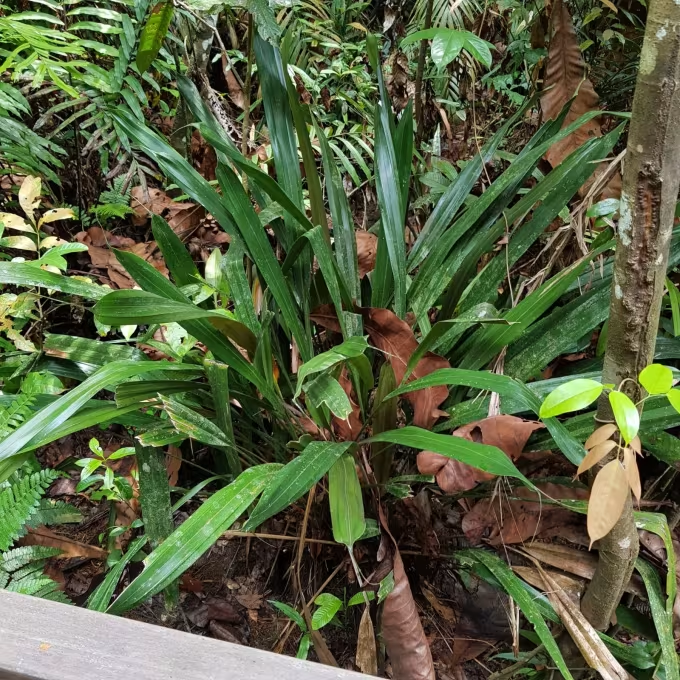
Mapania cuspidata is a distinctive perennial herbaceous plant belonging to the Cyperaceae family. It is recognized for its broad, grass-like leaves that form large, dense clusters, making it a prominent feature of tropical forest understories.
Native to Southeast Asia, this species thrives in humid, shaded environments where it is protected from direct sunlight. Its natural distribution is tied to the rainforests of the Malay Peninsula and surrounding islands, reflecting its need for stability in temperature and light.
The cultivation of Mapania cuspidata requires strict adherence to environmental parameters. It demands a high-humidity atmosphere and a consistently moist rooting medium, as it has evolved in regions with high annual rainfall and constant soil moisture levels.
Soil requirements for optimal growth involve a well-draining but moisture-retentive substrate rich in organic matter. Cultivators often utilize mixes containing leaf mold and peat to replicate the forest floor conditions that the species prefers in the wild.
Regarding its use, the plant is primarily cultivated as an ornamental in tropical gardening and greenhouse settings. Its structural leaves provide excellent texture in shaded landscaping projects where traditional flowering crops might fail to thrive due to lack of light.
Main diseases and pests
The primary threats to Mapania cuspidata include fungal pathogens that thrive in stagnant air and over-saturated soil conditions. Preventing crown rot is the most important aspect of maintenance for both nursery and garden plants.
Pests such as spider mites and mealybugs present a continuous risk, particularly in indoor or greenhouse cultivation environments. Regular inspection and the maintenance of high ambient humidity are the best strategies to keep these pest populations under control without relying on harsh chemicals.