
Malaisia scandens
Malaisia scandens
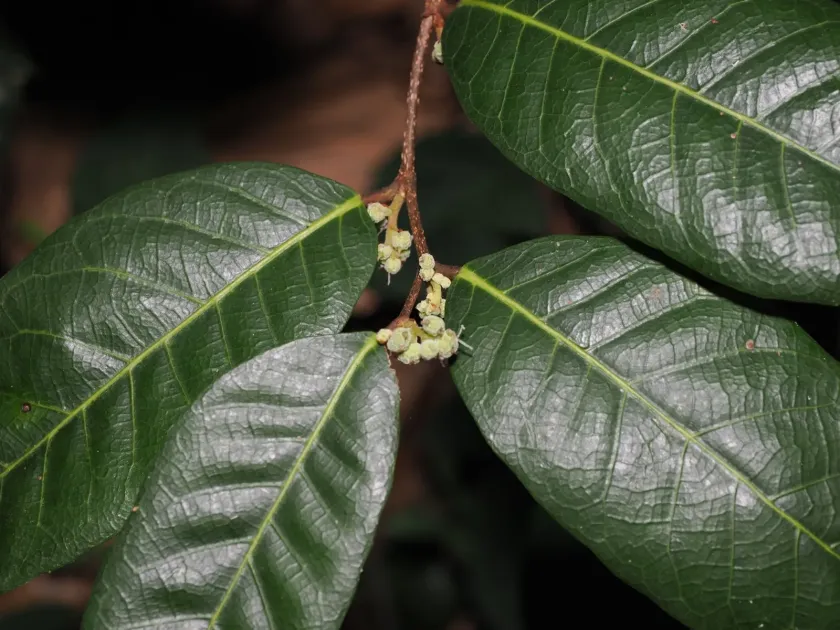
Description
Growing requirements
Malaisia scandens is a woody climbing vine belonging to the Moraceae family. It is native to tropical and subtropical regions across Southeast Asia, Australia, and various islands of the Western Pacific, where it thrives in moist forested areas.
This species requires fertile, well-draining soils to reach optimal growth. In agricultural settings, maintaining consistent soil moisture is crucial, although the plant is resilient to minor fluctuations if grown in an appropriate tropical environment.
The climate requirements include high humidity and consistently warm temperatures. Malaisia scandens is extremely intolerant of frost and cold stress, which necessitates that it remains within its natural thermal niche to avoid significant biomass loss.
Standard cultivation techniques involve providing vertical support structures, such as trellises or wooden poles, to allow the vine to climb and spread. Regular pruning is recommended to encourage lateral branching and increase the harvestable volume of foliage.
Regarding its utility, the plant is primarily cultivated for its high-quality forage. Livestock farmers in its native range utilize the foliage as a supplementary feed source, as the leaves are rich in nutrients and readily consumed by ruminant animals.
Main diseases and pests
The primary threats to Malaisia scandens include fungal leaf spots, often triggered by prolonged stagnant air and excessive moisture. To mitigate these risks, farmers should ensure adequate spacing between plants to promote proper airflow within the canopy.
Pest issues include sap-sucking insects such as aphids and spider mites, which can cause leaf chlorosis. Integrated pest management strategies, focusing on biological controls, are highly recommended to keep these populations under control without chemical reliance.