
Malabaila aurea
Malabaila aurea
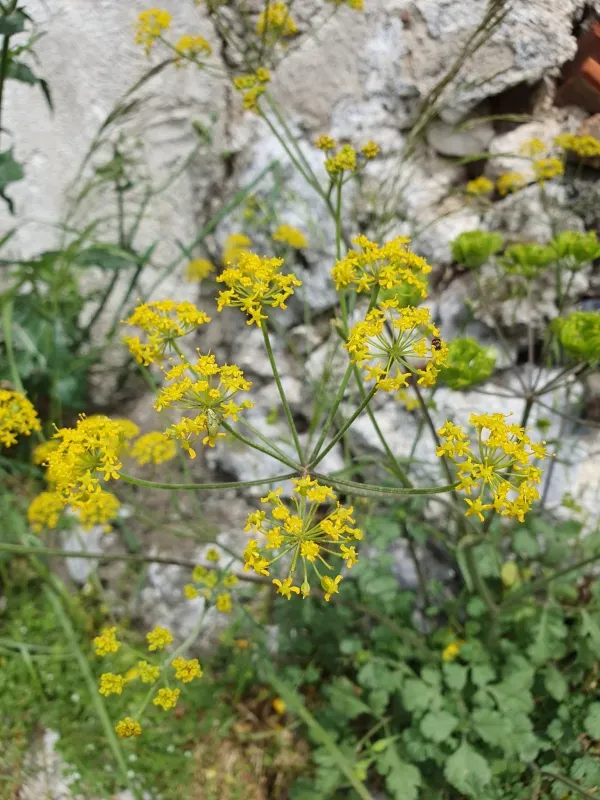
Description
Sowing dates
Malabaila aurea belongs to the Apiaceae family and is commonly known as a perennial herb. Sowing is best initiated in early spring once the soil temperature consistently reaches 8-10°C, ensuring a stable environment for germination.
Seeds are typically sown in rows with a spacing of 40-45 cm. A shallow planting depth of no more than 2 cm is essential to prevent seed decay and ensure that seedlings emerge efficiently through the soil layer.
Winter sowing is also a viable option in milder climates, allowing for natural stratification. This process increases seedling vigor and promotes earlier establishment of the root system as temperatures rise in the spring.
The recommended seeding rate is approximately 6-8 kg per hectare. Proper calibration of seeding equipment is necessary to maintain an optimal plant density, preventing resource competition within the crop stand.
Post-emergence maintenance includes frequent cultivation between rows. This practice is crucial for suppressing weed pressure and enhancing soil aeration, which directly impacts the early growth stages of the plant.
Growing requirements
Malabaila aurea thrives in well-drained, fertile sandy loam soils. It prefers a neutral to slightly alkaline pH, making it adaptable to various soil profiles while remaining sensitive to waterlogging.
The plant is highly sunlight-demanding and should be cultivated in open fields. Adequate light exposure is vital for the development of essential oils and the overall biomass production of the plant.
This species is recognized for its significant drought tolerance. Its deep root system allows it to withstand extended dry periods, making it a potentially resilient crop for semi-arid environments.
Balanced fertilization with phosphorus and potassium is recommended to support structural integrity and winter hardiness. Nitrogen application should be kept at moderate levels to ensure healthy foliage growth.
Climatic conditions should ideally be temperate. While the plant can handle temperature fluctuations, protection from extreme wind during the flowering stage is necessary to preserve the delicate inflorescences.
Main diseases and pests
Aphids and various bug species pose the most significant threat to this crop. These pests feed on succulent tissues and can reduce the overall health and seed production capacity of the plants.
Powdery mildew is a common fungal threat, especially during humid weather. Integrated pest management, including the use of fungicides, is required to manage outbreaks and prevent severe foliar damage.
Root damage by wireworms can occur if the plant is grown after traditional cereal rotations. Crop rotation remains the most effective strategy to minimize soil-borne pest populations.
Apiaceae rust can manifest as localized leaf spots, often exacerbated by high stand density. Ensuring proper plant spacing is a proactive way to maintain airflow and discourage fungal development.
Regular field scouting is mandatory throughout the growing season to detect early symptoms of infection. Early intervention is the key to maintaining crop quality and limiting chemical application.
Harvesting
Seed harvest is conducted when the seeds reach the late wax-ripe stage. Given the crop's propensity for seed shedding, timely harvesting is critical to prevent yield loss from wind dispersal.
When harvesting for forage or medicinal biomass, cutting should occur at the onset of flowering. This period ensures the highest concentration of active biochemical compounds within the plant tissues.
Swathing is often employed to allow for uniform ripening of the inflorescences, especially when maturity across the field is uneven. This method improves the final quality of the harvested produce.
Mechanical harvesting requires precise adjustment of the combine's threshing drum speed. Excessive force must be avoided to maintain the integrity of the seeds and prevent mechanical damage.
Post-harvest processing involves cleaning and drying the seeds to a moisture content of 10-12%. Proper storage in dry, climate-controlled environments prevents spoilage and preserves germination longevity.