
Maillardia borbonica
Maillardia borbonica
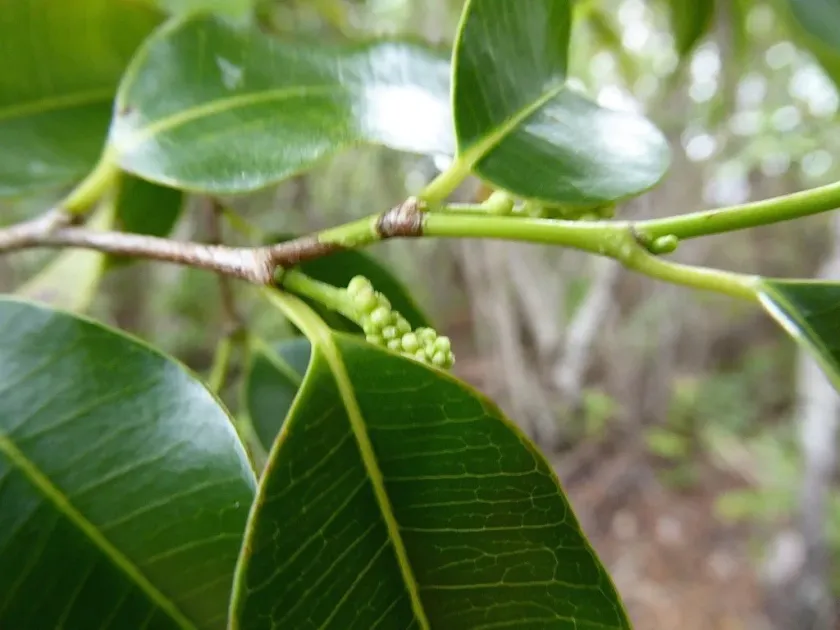
Description
Growing requirements
Maillardia borbonica is a rare plant species belonging to the Moraceae family. It is native to the islands of the Indian Ocean, primarily found in the moist forest ecosystems of Reunion and Mauritius. The species is characterized by its slow growth rate and specific ecological niche requirements.
The climate requirements involve a consistently humid environment with tropical temperatures ranging from 22°C to 28°C. The plant thrives in areas with high annual rainfall, where the humidity levels remain stable throughout the different seasons, preventing physiological stress.
Soil conditions are critical for the successful development of this species. It prefers well-draining, nutrient-rich substrates with a neutral to slightly acidic pH. Avoiding waterlogging is essential, as the root system is highly susceptible to decay in oxygen-depleted environments.
Botanically, the tree exhibits dense wood and coriaceous leaves, which are adaptations to the specific moisture cycles of its native habitat. Its development cycle is slow, requiring long periods to reach maturity, which complicates large-scale propagation attempts.
In terms of agricultural and scientific use, Maillardia borbonica is currently categorized as a species of interest for conservation and botanical education. While historically valued for its timber, modern practices focus on protecting remaining populations and studying its unique biological traits.
Main diseases and pests
The primary threat to the species is habitat destruction, driven by deforestation and land development. This loss of suitable ecosystem fragments limits the natural reproductive capabilities of the surviving trees.
Pest pressure from common tropical plant parasites, such as scale insects and spider mites, can significantly damage foliage. These pests often proliferate if the plant is kept in poor ventilation or suboptimal light conditions.
Fungal diseases are a major concern, particularly in high-humidity environments where poor drainage occurs. Pathogens can infect roots and cause systemic decline, leading to leaf drop and potential mortality.
Invasive species represent a significant competitive threat. Fast-growing exotic plants often outcompete Maillardia for light, soil nutrients, and space, effectively choking out the slow-growing native seedlings.
To maintain plant health, regular inspections are required to identify early signs of fungal infection or pest infestation. Proper sanitation practices in botanical nurseries are vital to prevent the spread of diseases among the limited number of specimens.