
Pruhonice Magnolia
Magnolia x pruhoniciana Jakl
Description
Growing requirements
Magnolia x pruhoniciana is a distinct hybrid cultivar belonging to the Magnoliaceae family, originally developed in the Pruhonice arboretum. It is prized for its impressive floral display, which typically occurs in early spring, turning the plant into a garden centerpiece.
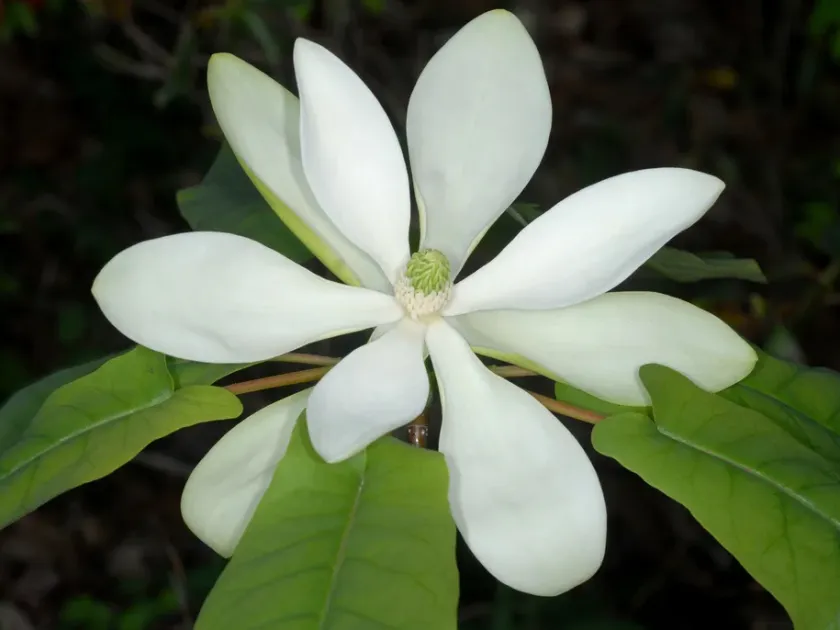
The plant exhibits a robust structure, characterized by deciduous foliage and large, fragrant blooms. It serves as an excellent specimen plant, requiring sufficient space to display its natural, spreading habit as it reaches maturity.
Optimal growth is achieved in positions that offer full sun to partial shade, sheltered from strong, drying winds. Site selection is critical, as magnolias require a location where their aesthetic potential can be maximized while ensuring protection from late frosts.
Soil requirements focus on fertility and drainage. These plants thrive in slightly acidic to neutral soils enriched with organic matter. Waterlogged conditions must be avoided at all costs, as the sensitive root system is prone to rot in anaerobic soil environments.
Cultural practices involve maintaining a consistent moisture level throughout the growing season, particularly during the first few years post-planting. An organic mulch layer is highly recommended to protect shallow roots and preserve soil moisture levels effectively.
Main diseases and pests
Iron chlorosis is a frequent issue, especially when the soil pH rises above the optimal range. Regular testing and the application of chelated iron can help maintain the deep green color of the foliage and overall plant vigor.
Pests such as scale insects and aphids may colonize the young twigs, extracting sap and weakening the plant. Early detection through routine inspection and the use of horticultural oils can control these populations before they cause significant damage.
Fungal pathogens like Botrytis or powdery mildew can appear in environments with poor air circulation or excessive humidity. Ensuring proper spacing during the planting phase is a preventative measure that reduces the risk of these infections.
Root damage caused by voles or other rodents can be fatal to the magnolia. Protecting the root ball during the initial planting phase using wire mesh or similar physical barriers is a common and effective protective strategy for young trees.
Winter desiccation is another potential threat, occurring when the ground is frozen but the sun/wind continues to dry out the branches. Providing winter windbreaks or burlap wrapping can mitigate these risks in regions with harsh continental climates.