
Umbrella magnolia
Magnolia tripetala (L.) L.
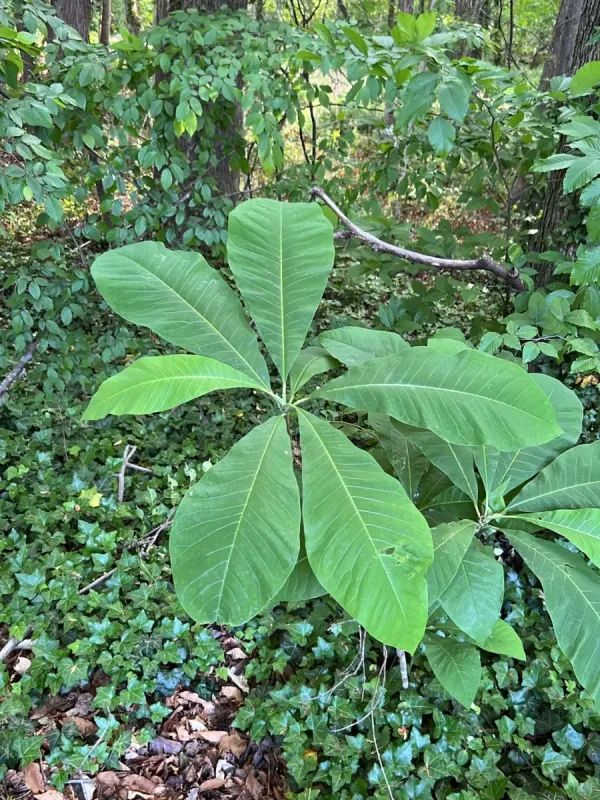
Description
Growing requirements
The Umbrella magnolia (Magnolia tripetala) belongs to the Magnoliaceae family and is a deciduous tree native to the eastern United States. It is prized for its massive, tropical-looking leaves which form umbrella-like whorls at the tips of the branches.
This species thrives in rich, moist, well-draining soils with a slightly acidic pH. It prefers sheltered locations where it is protected from strong, drying winds that can easily damage its large foliage.
In terms of climate, it performs best in regions with moderate temperatures and reliable moisture throughout the growing season. While it is reasonably hardy, young specimens benefit from winter protection during their first few years in the ground.
Agricultural management includes consistent watering during dry spells and the application of organic mulch around the base to preserve soil moisture and regulate temperature for the sensitive surface roots.
Propagation is typically achieved through seeds sown in autumn or by layering. It is a slow-growing tree that requires patience, but its unique structural beauty makes it a valuable addition to parks and large gardens.
Main diseases and pests
The Umbrella magnolia is susceptible to various fungal pathogens, including powdery mildew and leaf spot diseases, especially in environments with poor air circulation and high humidity.
Common pests include aphids and scale insects, which cluster on young twigs and the undersides of leaves, causing wilting and reducing the overall vigor of the tree.
Chlorosis is a frequent physiological issue, typically caused by iron deficiency in soils that are too alkaline or lack proper aeration for the root system.
To mitigate these threats, maintain a regular maintenance schedule involving the pruning of dead or diseased wood and the application of balanced fertilizers tailored for acid-loving trees.
Using protective barriers against rodents in winter is essential for young trees, as girdling of the bark can be fatal to the plant's vascular system.