
Star magnolia
Magnolia stellata (Siebold & Zucc.) Maxim.
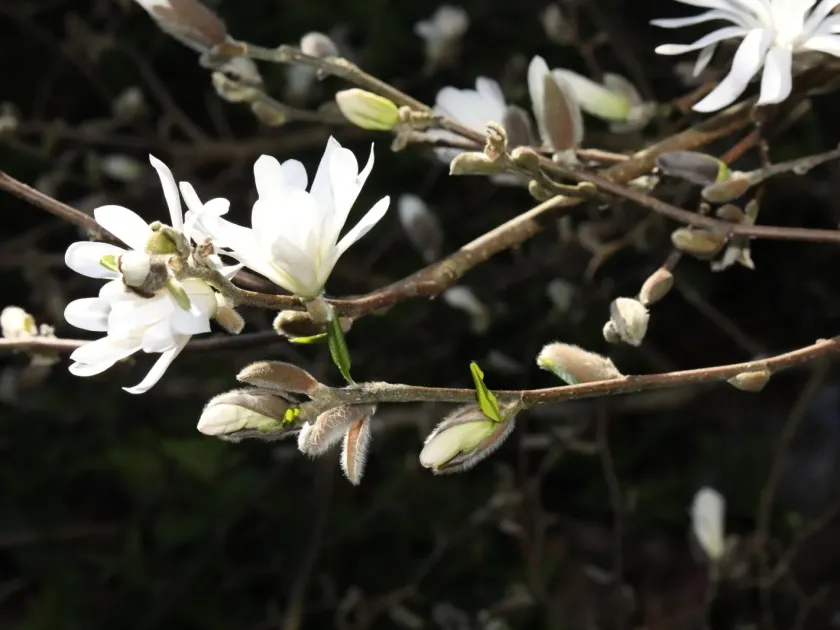
Description
Sowing dates
Star magnolia (Magnolia stellata) is a prized ornamental shrub belonging to the Magnoliaceae family. In nursery production, this species is propagated via semi-hardwood cuttings or layering, as seed propagation is slow and often fails to produce plants true to the parent type.
The ideal planting time for container-grown specimens is early spring. This allows the root system to establish itself in the ground before the onset of the summer heat, ensuring better survival and growth rates for the plant.
Site selection is critical for success. The shrub performs best in full sun to partial shade. Protection from strong, drying winds is essential, as the delicate, star-shaped flowers can be easily damaged by late spring weather events.
The soil should be moist, fertile, and well-drained. Before planting, incorporate generous amounts of organic matter, such as compost or peat moss, to improve structure and provide a slightly acidic pH environment that the plants prefer.
Proper spacing is necessary to allow for the shrub's mature spread. While it grows slowly, giving it adequate room ensures that it receives sufficient airflow, which is a major factor in disease prevention.
Growing requirements
Water management is the most important aspect of maintaining a healthy Star magnolia. Because the roots are shallow and fleshy, they are highly sensitive to drought and require consistent moisture during the entire growing season.
Soil acidity is a vital requirement for optimal nutrient uptake. If the soil is too alkaline, the plant will suffer from iron chlorosis, characterized by yellowing leaves with green veins, requiring the addition of chelated iron.
Mulching is a standard practice for this crop. Applying a 5–10 cm layer of bark, pine needles, or wood chips around the base helps retain moisture, regulates soil temperature, and suppresses competitive weed growth.
The plant is hardy but benefits from protection during its first few winters. A layer of mulch over the root zone and wrapping the trunk with burlap can shield younger specimens from extreme cold and frost heaves.
Fertilization should be handled with care. A balanced, slow-release fertilizer designed for acid-loving plants can be applied in early spring as growth begins, but feeding should cease by mid-summer to prevent late-season growth.
Main diseases and pests
Pest issues often involve sap-sucking insects such as scale insects and spider mites. These pests can weaken the plant over time. Monitoring the undersides of the leaves during the hot, dry spells of summer is a key preventive measure.
Fungal infections, including powdery mildew and leaf spots, can occur if humidity is high and airflow is poor. Improving sanitation by removing and destroying fallen, diseased leaves helps break the cycle of infection.
Physical damage from rodents, such as voles or rabbits, can be a major threat during winter. Placing wire guards around the base of the stem can prevent bark stripping, which can girdle and kill the shrub.
Verticillium wilt is a more serious soil-borne disease that causes branches to wilt and die back suddenly. Since there is no cure, the primary defense is to avoid planting in sites where susceptible plants have previously failed.
Pesticide usage should be strictly limited to prevent harming beneficial garden pollinators. Whenever possible, utilize horticultural oils or insecticidal soaps as a targeted treatment for minor pest outbreaks.