
Mulan magnolia
Magnolia liliiflora Desr.
Description
Growing requirements
Magnolia liliiflora, commonly known as the Mulan magnolia, is a deciduous shrub belonging to the Magnoliaceae family. Native to China, this ornamental plant is widely cultivated in temperate climates for its impressive, lily-shaped blossoms that emerge before the leaves in early spring.
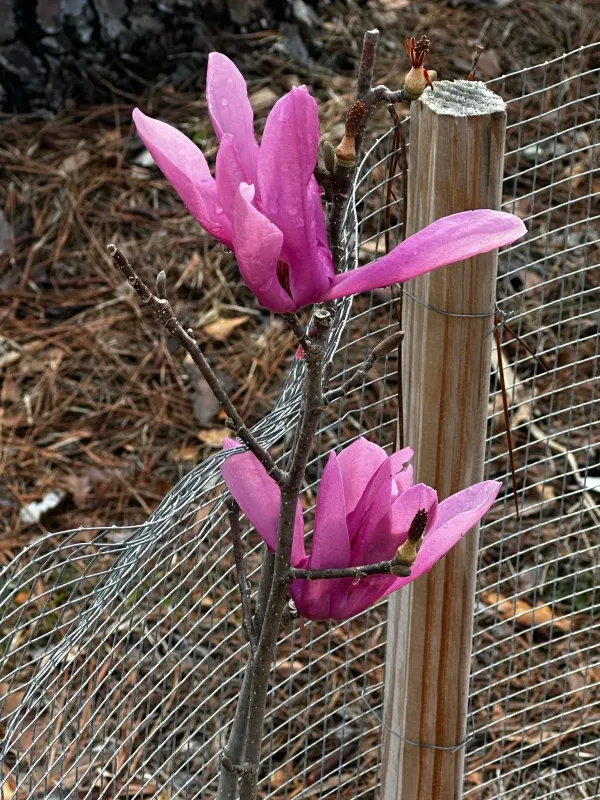
The botanical structure of the Mulan magnolia consists of a multi-stemmed habit, reaching a mature height of approximately 3 to 4 meters. The large, fragrant flowers feature deep purple or reddish-purple outer petals, creating a stark and beautiful contrast with the lighter interior.
This species thrives in sunny locations that provide shelter from harsh, drying winds. While the plant can tolerate light shade, full sun exposure is essential for stimulating optimal bud set and achieving the most prolific floral display during the blooming season.
Regarding soil requirements, the Mulan magnolia favors deep, nutrient-rich, and well-drained soil with a slightly acidic to neutral pH. It is crucial to ensure that the site does not accumulate standing water, as the species is highly susceptible to root damage from poor aeration.
Cultivation practices involve consistent watering, particularly during the first few years after planting or during prolonged summer droughts. Applying a thick layer of organic mulch around the base of the shrub is recommended to regulate soil temperature and retain essential moisture for the roots.
Main diseases and pests
Common fungal issues affecting Magnolia liliiflora include powdery mildew, leaf spot, and gray mold, particularly in conditions with high humidity and poor ventilation. Keeping the plant canopy thinned out through strategic pruning helps to improve airflow and reduce pathogen spread.
Insect pests, such as aphids, spider mites, and scale insects, may occasionally infest the plant, primarily attacking the soft tissues of new shoots and the underside of leaves. Integrated pest management, including the use of horticultural oils, can effectively mitigate these infestations.
Bacterial blight poses a significant risk to the plant's health, often requiring the surgical removal of infected branches and strict tool sanitation. Early detection through routine inspection of the foliage and stems is the most effective way to prevent widespread plant decline.
Chlorosis is a frequent disorder resulting from high soil pH levels, which restricts the plant's ability to absorb iron. Gardeners should manage this by monitoring soil acidity and applying iron chelate fertilizers to maintain healthy, dark green leaves throughout the growing season.
Overall, providing a stable environment with adequate nutrition and protection from extreme weather conditions serves as the best defense against pests and diseases, ensuring that your Mulan magnolia remains a long-lived and healthy focal point in the landscape.